
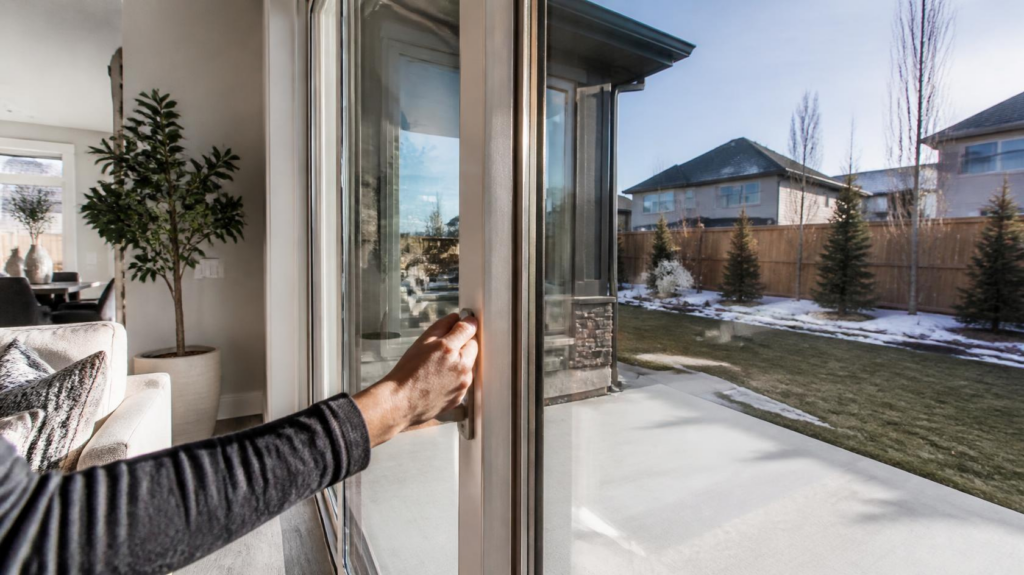
A patio door should open and close smoothly with minimal effort. When it suddenly becomes difficult to slide, sticks halfway, or requires both hands to move, it is usually a sign that something needs attention.
The good news is that a patio door that feels heavy or resistant does not automatically mean you need to replace it. In many cases, the problem can be traced to something relatively simple, such as dirt in the track, worn rollers, poor alignment, or a lack of maintenance. However, continuing to force the door can turn a small issue into a much more expensive repair.
Understanding what may be causing the problem can help you determine whether a little maintenance is enough or whether professional attention is needed.
Here are seven of the most common reasons a patio door becomes difficult to slide.
1. Dirt and Debris Have Built Up in the Track
One of the most common causes of a patio door that is hard to slide is also one of the easiest to overlook.
The bottom track of a sliding patio door collects dust, dirt, pet hair, leaves, small stones, and other debris over time. Because the rollers need to travel along this track, even a relatively small amount of buildup can interfere with their movement.
In homes where the patio door is frequently used, the track can become dirty surprisingly quickly. Outdoor conditions can make the problem worse, particularly during seasons when dirt, moisture, leaves, and grit are regularly brought indoors.
What happens when the track gets dirty?
As debris accumulates, the rollers may no longer move smoothly. Instead of gliding along the track, they can drag, catch, or bounce over the buildup.
You may notice:
- The door feels heavier than usual.
- The door catches at certain points.
- You hear scraping or grinding sounds.
- The door moves smoothly in one section but becomes difficult elsewhere.
- You need to apply more force to open or close it.
Fortunately, cleaning the track is often a simple first step.
Vacuum loose debris from the track and wipe the remaining dirt away with a suitable household cleaner and a soft cloth. Pay particular attention to corners and areas underneath the door where debris can collect.
Avoid simply adding lubricant over a dirty track. Grease or oil can combine with dirt and create an even thicker layer of buildup.
2. The Rollers May Be Worn or Damaged
Sliding patio doors rely on rollers to carry the weight of the moving panel and allow it to travel along the track. When those rollers become worn, damaged, dirty, or improperly adjusted, the door can become noticeably harder to operate.
Rollers experience considerable use over the life of a patio door. Every time the door is opened and closed, the rollers move under the weight of the door panel.
Over time, components can wear down.
A roller that is no longer rotating properly may create resistance instead of smooth movement. In some cases, the roller may have become damaged or partially seized.
Signs of roller problems
Look for symptoms such as:
- The door feels unusually heavy.
- The bottom of the door appears uneven.
- The door makes grinding or rolling noises.
- The panel seems to wobble while moving.
- The door requires significantly more effort to operate.
- One side appears to sit higher or lower than the other.
Many sliding patio doors have adjustable rollers that can be used to fine-tune the height and alignment of the panel. However, adjustments should be made carefully.
If the problem is caused by worn or damaged roller components, adjustment alone may not solve it. Continuing to force the door can put additional stress on the rollers, track, frame, and locking hardware.
3. The Door May Be Out of Alignment
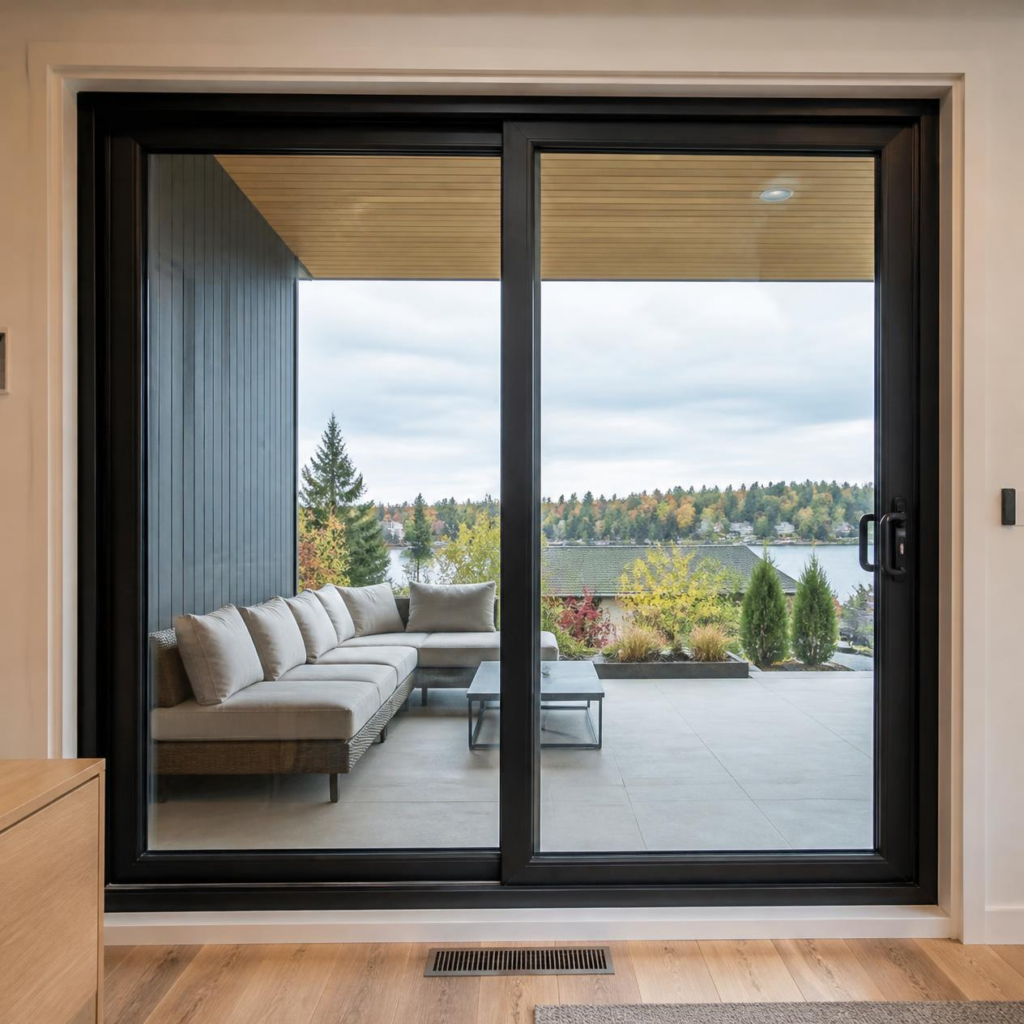
A sliding patio door needs to sit correctly within its frame. If the panel becomes misaligned, it may begin rubbing against the frame or track rather than moving freely.
Alignment can change for several reasons. Normal wear, repeated use, roller issues, movement of components, or previous adjustments can all affect how the door sits within the opening.
Sometimes the problem is subtle. The door may still move, but it feels increasingly difficult to operate.
You might notice that the gap around the panel looks uneven or that one side of the door sits differently from the other.
Why alignment matters
Proper alignment affects more than how easily the door slides.
An improperly aligned patio door can also make it harder for the locking mechanism to engage correctly. It may place unnecessary pressure on the rollers and other hardware, and it can affect how the weatherstripping contacts the frame.
If the door has gradually become harder to slide, alignment is worth considering.
Before attempting significant adjustments, however, make sure the track is clean and inspect the rollers. A roller problem can sometimes make the door appear misaligned when the underlying issue is actually worn hardware.
4. The Track May Be Damaged
Cleaning the track can solve many sliding problems, but not every track issue is caused by dirt.
A patio-door track can become worn or damaged through years of use. Small dents, bends, corrosion, or other imperfections can create points where the rollers catch instead of moving smoothly.
This can be especially noticeable if the door becomes difficult to operate at the same location every time.
For example, if the door slides relatively well for most of its travel but consistently catches near the middle or end of the opening, inspect that section of the track carefully.
Don’t ignore unusual noises
Scraping, grinding, clicking, or repeated catching can indicate that something is not moving as it should.
It is tempting to keep opening and closing the door until it eventually “works itself out,” but forcing a sliding door over a damaged section can make the problem worse.
A damaged track may also contribute to roller wear because the rollers have to travel over an uneven surface.
If the track is visibly damaged or the problem remains after cleaning, professional assessment may be appropriate.
5. The Door May Need Proper Lubrication
Moving components can become less smooth over time, particularly when they are exposed to dust, temperature changes, and repeated use.
However, lubrication needs to be approached carefully.
Not every part of a patio-door system should be coated with a heavy oil or grease. Applying the wrong product or applying too much can attract dirt and create additional buildup.
Before lubricating anything, clean the track and inspect the rollers and hardware.
Depending on the patio-door design and manufacturer’s recommendations, an appropriate dry or silicone-based lubricant may be suitable for certain components. Always follow the care instructions provided for your specific door.
More lubricant isn’t always better
A common mistake is assuming that a door that is difficult to slide simply needs more lubrication.
If the actual problem is a damaged roller, misalignment, or damaged track, lubricant will not fix the underlying issue.
It may temporarily make the door feel different while leaving the real problem untouched.
Think of lubrication as part of proper maintenance—not a substitute for repairing worn components.
6. Worn Weatherstripping May Be Creating Extra Resistance
Weatherstripping helps create a seal around the patio door. It can reduce drafts, limit air leakage, and help prevent moisture and outdoor elements from entering around the opening.
Over time, however, weatherstripping can become worn, compressed, damaged, or displaced.
In some cases, deteriorated weatherstripping can contribute to increased resistance when the door moves.
You may notice:
- A draft around the closed patio door.
- Damaged or loose sealing material.
- Increased outside noise.
- Visible gaps around portions of the door.
- Difficulty getting the panel to close fully.
Weatherstripping itself may not always be the reason a door is difficult to slide, but it is an important part of the overall system and should be inspected when the door begins behaving differently.
If the sealing material is damaged or has become displaced, replacing it with the correct product can help restore proper operation and performance.
7. The Door or Its Hardware May Simply Be Reaching the End of Its Service Life
Sometimes the problem isn’t one isolated component.
A patio door that has been heavily used for many years may eventually experience wear across several parts of the system. Rollers may be worn, hardware may have deteriorated, the track may have suffered damage, and weatherstripping may no longer provide an effective seal.
When several issues occur together, repeated small repairs may no longer be the most practical solution.
Signs that your patio door may need more than maintenance
Consider having the door professionally assessed if:
- It remains difficult to operate after cleaning.
- The rollers repeatedly fail or require adjustment.
- The track is significantly damaged.
- The frame or panel appears damaged.
- The door no longer closes or locks properly.
- You notice persistent drafts or water infiltration.
- The glass or frame has deteriorated.
- Multiple components are showing signs of wear.
- Operating the door requires excessive force.
A patio door does not necessarily need to be replaced simply because it is difficult to slide. But when problems continue despite reasonable maintenance, replacement may provide a more reliable long-term solution.
What Can You Safely Check Yourself?
Before calling for professional help, there are several basic things homeowners can inspect.
Start with the track
Open the door and examine the bottom track. Remove visible dirt, leaves, hair, and other debris. Vacuuming first can help remove loose particles before wiping the surface clean.
Check how the door moves
Pay attention to where the resistance occurs.
Does the door feel difficult throughout its entire movement, or does it catch at one particular point?
A problem that occurs consistently at one location may point toward an issue with the track or roller.
Look at the rollers
If the design of your patio door allows the rollers to be inspected safely, look for obvious signs of damage or uneven positioning.
Do not disassemble the door unless you are confident you understand the manufacturer’s recommended procedure. Sliding glass doors can be heavy, and attempting to remove a panel without the appropriate equipment or experience can create a safety hazard.
Check the locking mechanism
Make sure the lock engages and releases properly.
A door that is difficult to slide may also have an issue with its alignment or hardware, and forcing the lock or panel can cause additional damage.
When Should You Call a Professional?
Basic cleaning is one thing. Attempting to repair or remove a heavy sliding glass door is another.
If cleaning the track and performing basic maintenance does not improve the problem, professional assessment is a sensible next step.
You should also consider professional help if the door is visibly damaged, the glass is compromised, the frame appears distorted, the rollers need replacement, or the door cannot be adjusted properly.
A professional can determine whether the problem is isolated to one component or whether multiple parts of the patio-door system are contributing to the issue.
This distinction matters because replacing one component without addressing the underlying problem may only provide a temporary solution.
Repair or Replace: Which Makes More Sense?
One of the biggest questions homeowners face when a patio door becomes difficult to operate is whether they should repair it or replace it.
There is no single answer for every home.
Repair may make sense when:
- The door itself is in good condition.
- The track only needs cleaning.
- A small hardware issue can be corrected.
- Rollers are worn but the rest of the system remains sound.
- Weatherstripping needs replacement.
- The door still provides the performance and appearance you want.
Replacement may make more sense when:
- Multiple components are failing.
- The door is significantly damaged.
- The frame or track has deteriorated.
- The door has persistent operating problems.
- The locking system no longer performs reliably.
- Energy performance has become a concern.
- The door no longer suits the design or functionality of your home.
A replacement can also be an opportunity to improve the overall experience of using the space. Modern patio-door systems can provide improved operation, contemporary styling, and better performance when properly selected and installed.
How Regular Maintenance Can Prevent Sliding Problems
The easiest way to deal with a difficult patio door is often to prevent the problem from developing in the first place.
Regular maintenance doesn’t need to be complicated.
Keep the track clean, inspect the rollers and hardware periodically, watch for changes in how the door operates, and address small problems before they become larger ones.
Pay particular attention when the seasons change. Patio doors are exposed to temperature fluctuations, moisture, dirt, and repeated use throughout the year. Seasonal inspections can help identify problems before they interfere with everyday operation.
Most importantly, don’t ignore changes in how your patio door feels.
If a door that once glided effortlessly suddenly requires significant force, that change is telling you something.
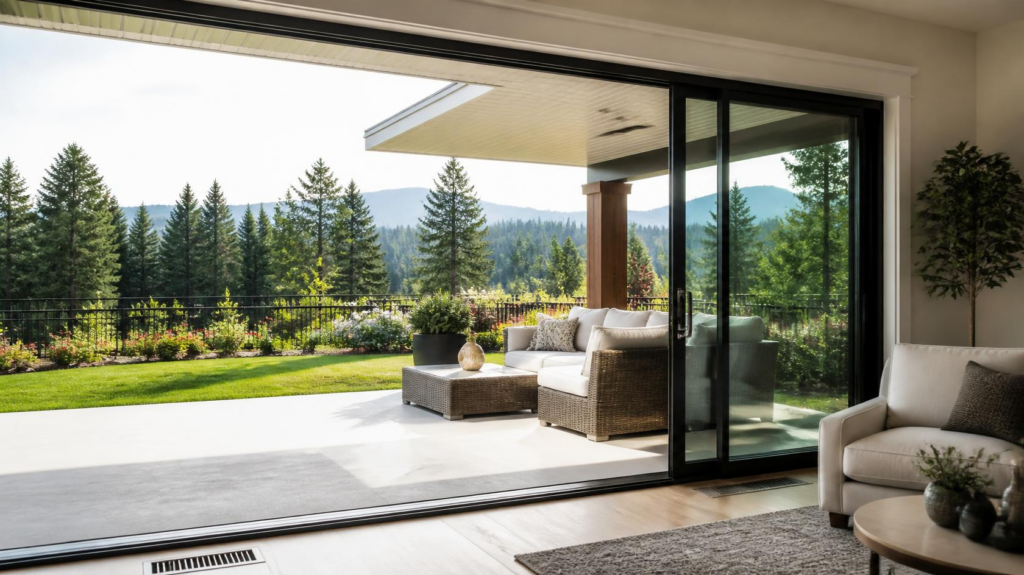
A Patio Door Should Feel Effortless
Your patio door is more than a way to move between your indoor and outdoor spaces. It affects ventilation, natural light, accessibility, security, and the overall experience of your home.
When it becomes difficult to slide, the problem may be something as simple as debris in the track—or it may point to worn rollers, alignment issues, damaged components, or a door that has reached the end of its useful life.
Start with the basics. Clean the track, inspect the visible components, and pay attention to where and when the resistance occurs. If the problem persists, don’t keep forcing the door.
Addressing the issue early can help prevent unnecessary wear and may save you from a more expensive repair later.
And when maintenance is no longer enough, choosing the right replacement patio door can restore smooth operation while giving your home a fresh, comfortable connection to the outdoors.
Ready for a Better Patio Door?
If your patio door has become difficult to operate and basic maintenance isn’t solving the problem, it may be time to explore your options. NORC Windows & Doors can help you find a patio-door solution that fits your home’s style, functionality, and everyday needs.
Contact NORC Windows & Doors to discuss your patio-door needs and take the next step toward a smoother, more comfortable home.