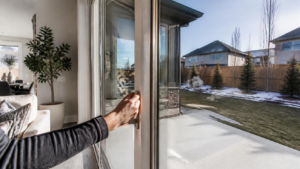


Windows do more than bring natural light into your home. They help control indoor comfort, contribute to energy efficiency, protect your living spaces from the elements, and play an important role in the overall appearance of your home. Like any other part of a house, however, windows perform best when they are properly maintained.
Regular window maintenance does not have to be complicated. In many cases, a few simple checks and cleaning habits throughout the year can help prevent minor problems from becoming costly repairs. Keeping tracks clear, inspecting seals, checking hardware, cleaning drainage openings, and watching for signs of moisture or damage can all make a meaningful difference.
Whether your windows are relatively new or have been part of your home for many years, the following maintenance practices can help keep them operating properly and looking their best.
1. Clean the Glass and Frames Regularly
One of the simplest ways to care for your windows is also one of the easiest to overlook: keep both the glass and frames clean.
Dirt, dust, pollen, and other debris can accumulate on window surfaces over time. While this may seem purely cosmetic, excessive buildup can make it harder to spot cracks, deteriorating seals, damaged weatherstripping, or moisture problems.
For routine cleaning, use a soft cloth or sponge with a mild cleaning solution. Avoid abrasive pads, harsh chemicals, or anything that could scratch the glass or damage the frame finish.
The frame should be cleaned along with the glass. Pay particular attention to corners, joints, and areas where dirt tends to collect. If your windows have screens, remove them periodically and clean them gently according to the manufacturer’s recommendations.
Clean windows also make inspections easier. Once the surface is free of dirt and residue, you can more easily notice changes that may require attention.
2. Keep Window Tracks and Moving Parts Clean
Windows that slide, tilt, crank, or otherwise move rely on properly functioning hardware and moving components. Dirt and debris can accumulate around these areas, making operation increasingly difficult.
For sliding windows, inspect the tracks regularly and remove leaves, dust, hair, and other debris with a soft brush or vacuum. Avoid allowing heavy buildup to remain in the track, as it can interfere with smooth movement.
Casement and awning windows should also be checked around their operating mechanisms. If a handle, crank, hinge, or other component begins to feel unusually stiff, investigate the cause rather than repeatedly forcing it.
A window that suddenly becomes difficult to operate may be showing an early sign of a hardware, alignment, or other mechanical issue.
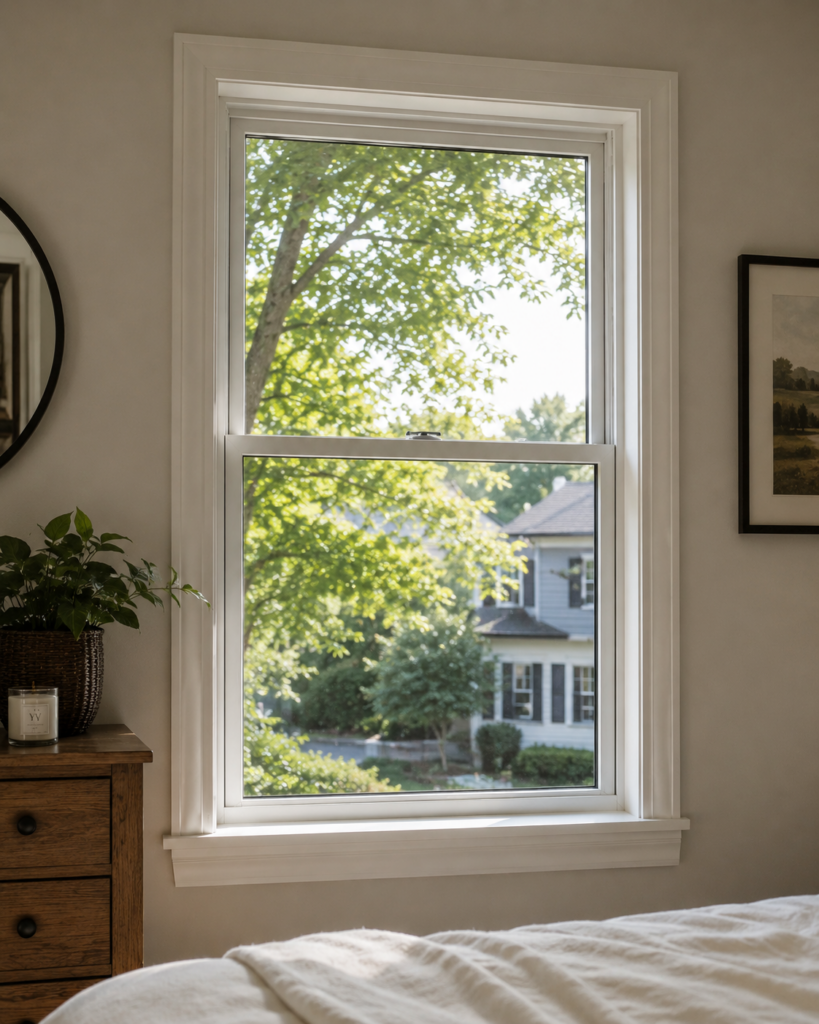
3. Inspect Window Hardware
Window hardware may seem small compared with the frame and glass, but it plays an essential role in everyday performance.
Periodically check:
- Handles and locks
- Crank mechanisms
- Hinges
- Latches
- Operators
- Sliding components
- Other visible hardware
Make sure locks engage properly and handles operate without excessive resistance. Hardware that is loose, damaged, corroded, or unusually difficult to operate should not be ignored.
If lubrication is recommended for your particular window hardware, use a suitable product and follow the manufacturer’s instructions. Avoid applying excessive lubricant or using a product that could damage plastic, rubber, or other components.
Most importantly, never force a window that does not operate normally. Excessive force can turn a relatively minor problem into damaged hardware or a more significant repair.
4. Check Weatherstripping and Seals
Weatherstripping helps reduce unwanted air movement around an operable window. Over time, however, weatherstripping can become compressed, brittle, damaged, or detached.
During your regular inspection, look for visible gaps, deterioration, or sections that no longer appear to make proper contact when the window is closed.
You can also pay attention to changes in comfort. Noticeable drafts around a previously well-sealed window may indicate an issue with weatherstripping, hardware, alignment, or another component.
It is important to remember that not every draft automatically means the window itself needs to be replaced. The cause should be identified before deciding on a solution.
5. Keep Drainage Paths and Weep Holes Clear
This is one of the most important maintenance steps that homeowners often overlook.
Many windows are designed with drainage paths, commonly including small openings known as weep holes. These openings help incidental moisture move out of the window system rather than allowing it to remain trapped where it could contribute to water-related problems.
Dirt, insects, leaves, and other debris can obstruct these openings.
During routine cleaning, inspect the drainage areas and make sure they are not visibly blocked. Avoid inserting sharp objects or damaging the openings in an attempt to clean them. If you are unsure how the drainage system works on your particular window, follow the manufacturer’s maintenance instructions.
Keeping these pathways clear is a small task that can support proper window performance over time.
6. Watch for Condensation and Moisture
Condensation is one of the most misunderstood window-related issues.
Some condensation can occur under normal conditions, particularly when warm, moist indoor air comes into contact with a colder surface. Indoor humidity, ventilation, outdoor temperatures, and other conditions can all influence condensation.
The location of the condensation matters.
Condensation on the interior surface of the glass may be related to indoor humidity and surface temperature.
Condensation on the exterior surface can occur when outdoor conditions cause the exterior glass to become colder than the surrounding air.
However, moisture or fogging between panes of insulating glass is different. If the sealed space between glass panes develops persistent fogging or moisture, it may indicate that the insulating glass unit’s seal has failed.
Because different causes require different solutions, persistent condensation should be investigated rather than automatically attributed to a defective window.
7. Inspect the Frames for Damage
The glass is only one part of a window. The condition of the frame and surrounding components is equally important.
During seasonal maintenance, inspect the frame for:
- Cracks
- Gaps
- Warping
- Significant deterioration
- Damaged finishes
- Signs of moisture
- Loose or damaged components
Pay particular attention to areas around corners and joints, where problems may become more noticeable over time.
If you notice staining, persistent moisture, or other evidence of water infiltration, do not simply cover the area or repaint it. The source of the moisture should be identified first.
Early investigation can help prevent a small maintenance issue from becoming a larger problem involving surrounding materials.
8. Inspect Your Window Screens
Screens are often forgotten because they do not affect the basic operation of the window itself. However, they contribute to ventilation and help keep insects and debris outside.
Check screens for:
- Tears or holes
- Bent frames
- Loose mesh
- Damaged corners
- Poor fit
Clean screens gently rather than using excessive pressure that could stretch or damage the mesh.
If a screen no longer fits properly, repair or replace it as appropriate. A damaged screen is usually a relatively simple issue to address, but leaving it unattended can make the problem worse.
9. Do Not Paint, Cover, or Modify Components Without Checking First
Homeowners sometimes make modifications around their windows without realizing that certain products or alterations can affect performance.
Avoid blocking drainage openings, covering moving components, or applying products directly to glass, seals, or hardware unless they are specifically suitable for that application.
This is particularly important with aftermarket films, coatings, or tints. Some products can affect glass performance or may have implications for a manufacturer’s warranty.
When in doubt, check the manufacturer’s recommendations before modifying a window system.
10. Give Your Windows a Seasonal Inspection
You do not need to inspect every component of your windows every week. A more practical approach is to perform a thorough inspection at least a couple of times a year, particularly during seasonal transitions.
Spring
After winter, inspect for:
- Damaged weatherstripping
- Hardware problems
- Dirt and debris
- Blocked drainage openings
- Screen damage
- Cracks or other visible damage
- Signs of moisture
Spring is also a good time to clean the glass, frames, tracks, and screens.
Fall
Before colder weather arrives, check:
- Locks and latches
- Weatherstripping
- Window operation
- Visible gaps
- Frame condition
- Drainage paths
- Interior and exterior condensation patterns
A seasonal inspection gives you an opportunity to address small issues before changing weather places additional demands on the window system.
11. Pay Attention to Changes in How Your Windows Operate
One of the easiest ways to identify a developing problem is simply to notice when something feels different.
A window that used to open smoothly but now sticks may have an alignment or hardware issue. A lock that once engaged easily but now requires force deserves attention. A previously quiet window that begins rattling, leaking air, or showing visible gaps may also be telling you something has changed.
These symptoms do not necessarily mean the window needs replacement.
They do mean the issue should be investigated.
Addressing problems while they are still relatively minor can often be easier than waiting until the window becomes difficult to operate or suffers additional damage.
12. Know When Maintenance Is No Longer Enough
Good maintenance can help protect a properly functioning window, but maintenance cannot correct every type of problem.
Some issues may require repair, replacement of individual components, or replacement of the window itself.
Examples can include:
- Persistent moisture between insulating glass panes
- Significant frame deterioration
- Serious water infiltration
- Severely damaged hardware
- Persistent drafts despite proper operation and intact weatherstripping
- Major glass damage
- Windows that are consistently difficult to operate
- Components that have reached the end of their service life
The right solution depends on the cause and severity of the problem.
For example, replacing a damaged hardware component may be appropriate in one situation, while a failed insulating glass unit may require replacement of the sealed unit rather than the entire window. In other situations, replacing an older or extensively deteriorated window may make more sense than continuing to repair individual components.
The important thing is to identify the underlying problem before deciding what to do.

A Simple Window Maintenance Checklist
Regular maintenance becomes much easier when you have a simple checklist to follow.
Every few months
☐ Clean glass and frames
☐ Remove debris from tracks
☐ Check window operation
☐ Inspect handles, locks, and hardware
☐ Check weatherstripping
☐ Inspect screens
Seasonally
☐ Check drainage openings and weep holes
☐ Look for cracks or frame damage
☐ Inspect for signs of moisture
☐ Check for unusual condensation
☐ Look for drafts or visible gaps
☐ Make sure windows close and lock properly
When something changes
☐ Do not force a difficult window
☐ Investigate new drafts or rattling
☐ Look for moisture or fogging between panes
☐ Check damaged hardware
☐ Seek professional advice if the cause is unclear
Why Regular Window Maintenance Matters
Window maintenance is not about making your windows look good for a few extra years. It is about protecting the components that allow them to perform properly.
Clean tracks help moving windows operate smoothly. Functional hardware allows windows to open, close, and lock as intended. Clear drainage paths help manage incidental moisture. Intact weatherstripping helps limit unwanted air movement. Regular inspections make it easier to identify developing problems before they become more complicated.
Most importantly, maintenance gives homeowners an opportunity to catch changes early.
A small issue noticed today can be much easier to address than a larger problem discovered months later.
Final Thoughts
Your windows are exposed to changing temperatures, moisture, wind, sunlight, dust, and everyday use throughout the year. While quality materials and proper installation provide the foundation for long-term performance, regular maintenance plays an important role in protecting that investment.
The good news is that most routine window maintenance is straightforward. Keep the glass and frames clean, clear debris from tracks and drainage areas, inspect hardware and weatherstripping, watch for unusual moisture, and pay attention to changes in how your windows operate.
And when something doesn’t seem right, don’t ignore it.
A window that is suddenly difficult to open, a seal that appears to be failing, or moisture that keeps returning may be an early indication of a larger issue. Identifying the cause early can help you determine whether a simple maintenance task, a repair, or a replacement is the most appropriate solution.
With consistent care and timely attention to problems, you can help your windows continue to provide comfort, functionality, natural light, and protection for years to come.
Keep Your Windows Performing at Their Best
Regular maintenance can go a long way, but even well-maintained windows eventually show signs of wear. If your windows are becoming difficult to operate, showing drafts, developing moisture between the glass, or simply reaching the end of their lifespan, NORC Windows & Doors can help.
From replacement windows to expert installation, we’re here to help you find the right solution for your home.
Ready to improve your windows? Contact NORC Windows & Doors today and take the next step toward a more comfortable, efficient home.