

You don’t always need a complete renovation to make your home feel different.
Sometimes, the biggest transformation comes from upgrading the features you interact with every day. A dated entryway, tired windows, poor natural light, an old patio door, or a collection of mismatched finishes can make an otherwise comfortable home feel like it belongs to another era.
The good news is that refreshing your home doesn’t necessarily mean taking everything down to the studs. The right home improvements can change how a space looks, feels, functions, and connects with the people who live in it.
From updating windows and doors to improving natural light and refining exterior details, here are 10 improvements that can give your home a noticeably fresher feel.
1. Replace Outdated Windows
Windows influence far more than the view outside. They affect natural light, ventilation, comfort, exterior appearance, interior design, and the overall character of a room.
If your existing windows are visibly dated, difficult to operate, drafty, damaged, or showing signs of seal failure, replacing them can make a dramatic difference.
Modern windows are available in a wide variety of configurations, including casement, awning, picture, bay, bow, single-hung, sliding, and custom-shaped designs. This means a replacement doesn’t have to simply replicate what was there before. It can be an opportunity to rethink how a room looks and functions.
Performance is also important. Energy-efficient windows can reduce unwanted heat transfer and air leakage, helping improve comfort. Features such as low-emissivity glass, insulated frames, multiple glazing layers, and appropriate gas fills can contribute to better thermal performance. Natural Resources Canada recommends considering energy-efficient models and notes that low-e coatings, insulated frames and sashes, triple glazing, and gas fills can improve window performance.
Installation matters just as much. Even a high-performing window can underperform if it is improperly installed or inadequately sealed.
A window upgrade can therefore be both a visual improvement and a functional one.
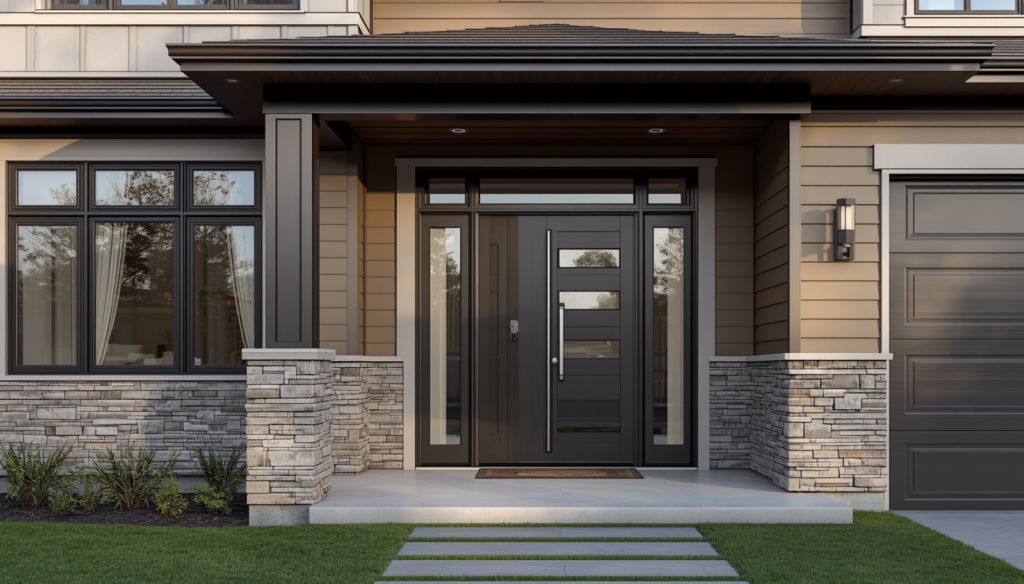
2. Give Your Entry Door a Fresh Start
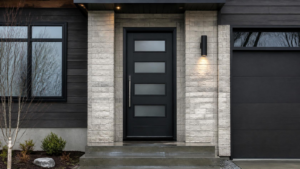
Your front entrance creates one of the first impressions of your home.
An entry door that looks worn, dated, or disconnected from the rest of the exterior can make the entire house feel older. On the other hand, a thoughtfully selected door can instantly make the entrance feel more intentional and welcoming.
Consider the architectural style of your home when selecting a replacement. A clean contemporary door may complement a modern exterior, while a more traditional design may suit a classic or transitional home.
Colour can also have a major effect. A bold, dark finish can create contrast and definition, while a softer neutral can produce a quieter and more timeless appearance.
Then there are the details: hardware, glazing, sidelites, transoms, trim, and proportions.
Glass can introduce additional natural light into an entryway, while sidelites can make a doorway feel wider and more open. Decorative or privacy glazing can also add visual interest without completely sacrificing privacy.
The goal isn’t necessarily to choose the most elaborate door available. It’s to choose one that feels like it belongs to the architecture of the home.
A well-designed entrance can make the exterior feel more polished before you change anything else.
3. Upgrade Your Patio Door
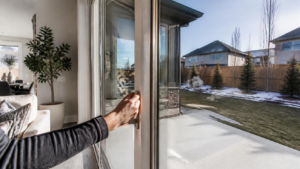
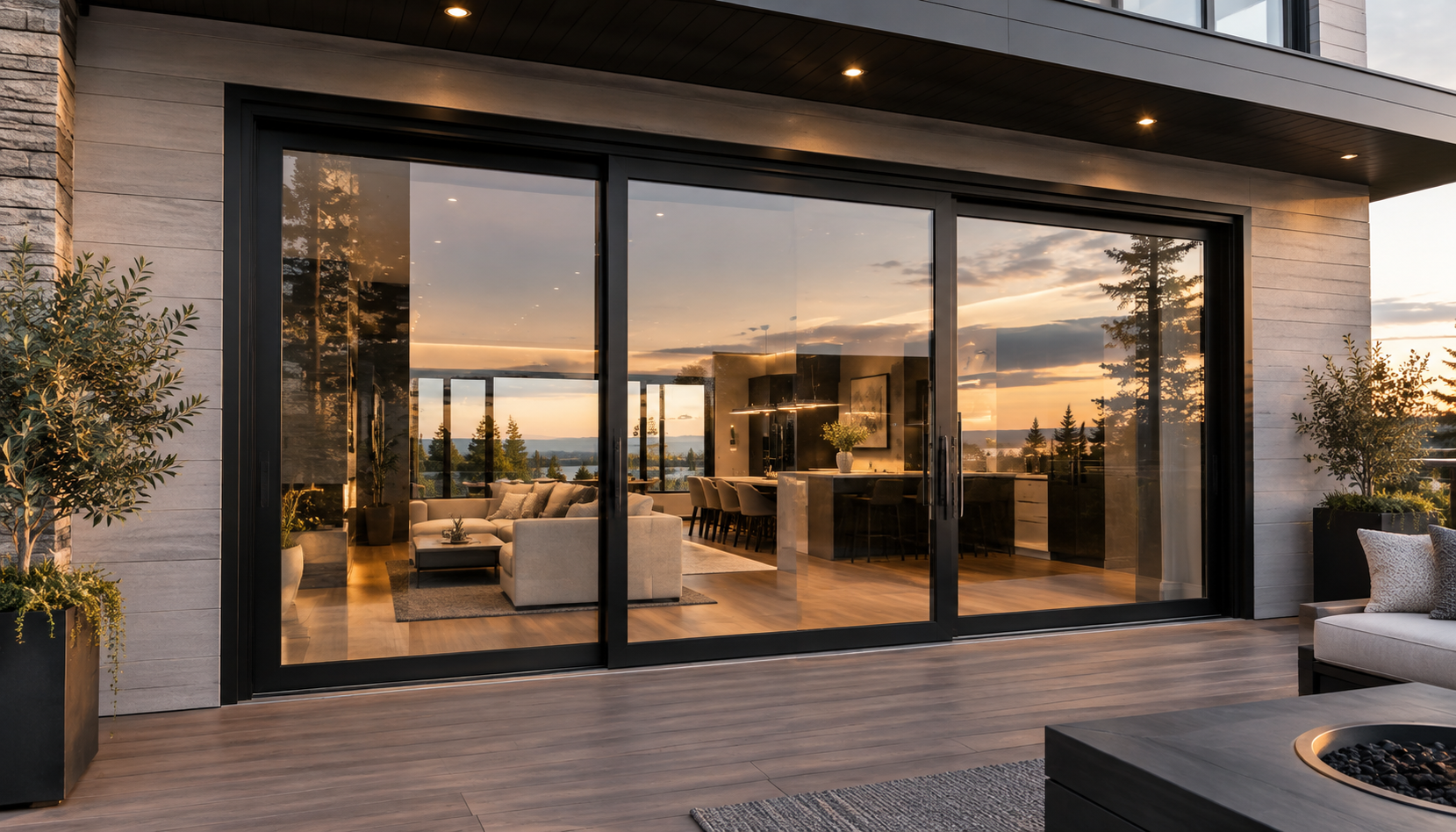
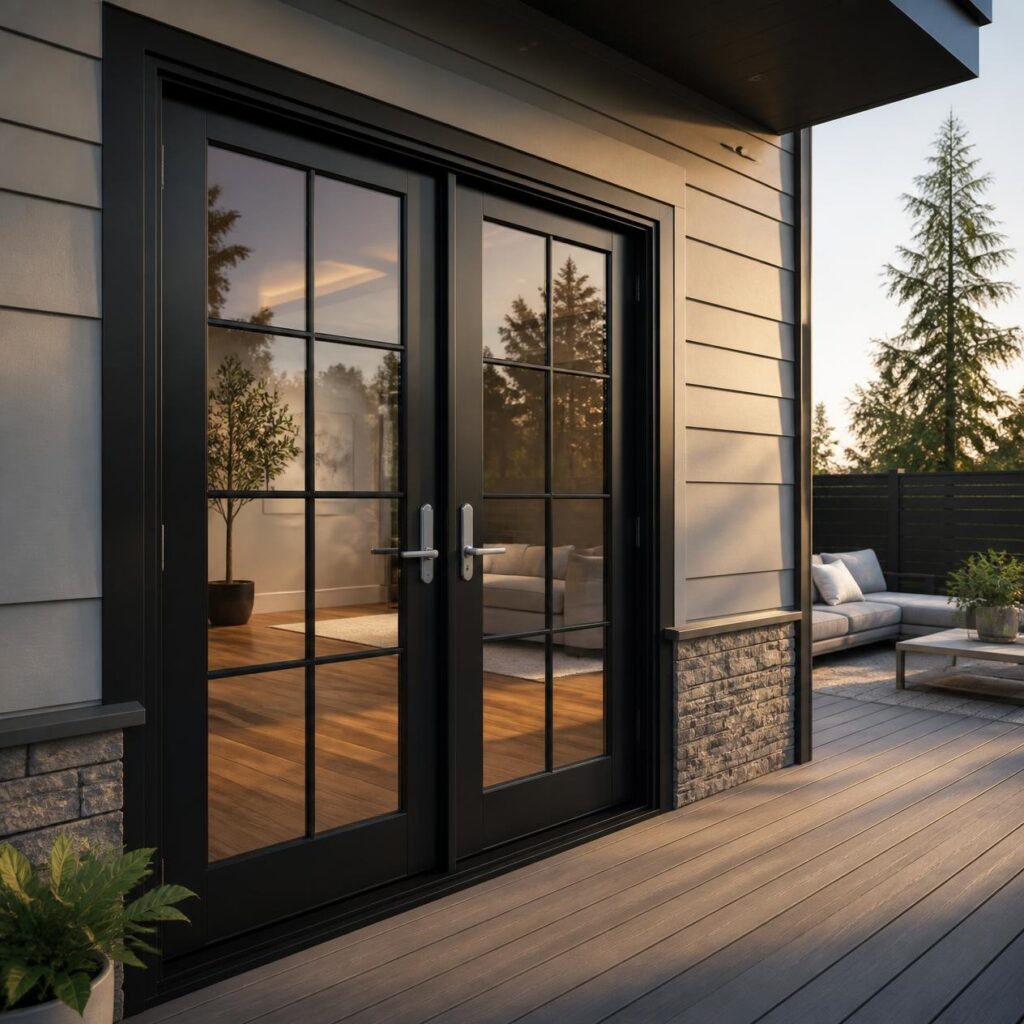
A patio door is more than an opening to the backyard, deck, or patio. It can become one of the most important visual connections between your interior and exterior spaces.
If an older patio door is difficult to operate, visually dated, or no longer performs as it should, replacing it can change the experience of the entire room.
Modern patio doors can introduce generous areas of glass, allowing more daylight into living spaces and creating a stronger connection with the outdoors.
Think about how the door interacts with the room around it.
Does it make the space feel open?
Does it provide a clear view of the yard?
Does the configuration work with the furniture?
Does it complement the home’s overall style?
These questions are just as important as appearance.
A patio door should also be selected with performance and operation in mind. Energy-efficient glazing and properly designed frames can help reduce unwanted heat transfer, while quality installation is important for achieving the intended performance.
When the right patio door is paired with the right room layout, it can make an ordinary living area feel significantly more open and connected.
4. Bring More Natural Light Into Your Home
Few things change the atmosphere of a home as quickly as natural light.
A darker room can feel smaller and less inviting, while a well-lit room can feel more spacious, comfortable, and visually interesting.
Before considering a major renovation, look at the openings you already have.
Could an outdated window be replaced with a larger or more effective configuration?
Could a picture window provide a better view?
Would a bay or bow configuration create additional visual depth?
Could a patio door make better use of an exterior wall?
These decisions need to be made with the structure of the home, local requirements, installation considerations, and the specific room in mind. But when planned properly, improvements to glazing and window configuration can significantly influence the way daylight moves through a space.
It’s also worth thinking about light quality rather than simply maximizing glass.
Orientation, shading, glazing performance, privacy, and room use all matter. A south- or west-facing opening, for example, may receive very different sunlight than one facing north.
The best result isn’t necessarily the room with the most glass. It’s the room with light that works well for how the space is used.
5. Refresh Your Home’s Colours
You don’t always need to replace major features to make a home feel updated.
Sometimes, colour is the missing piece.
Exterior siding, trim, doors, window frames, accent walls, cabinetry, and furnishings all contribute to the visual identity of a home. When these elements feel disconnected, the result can look dated even if each individual component is attractive.
A coordinated colour palette can bring everything together.
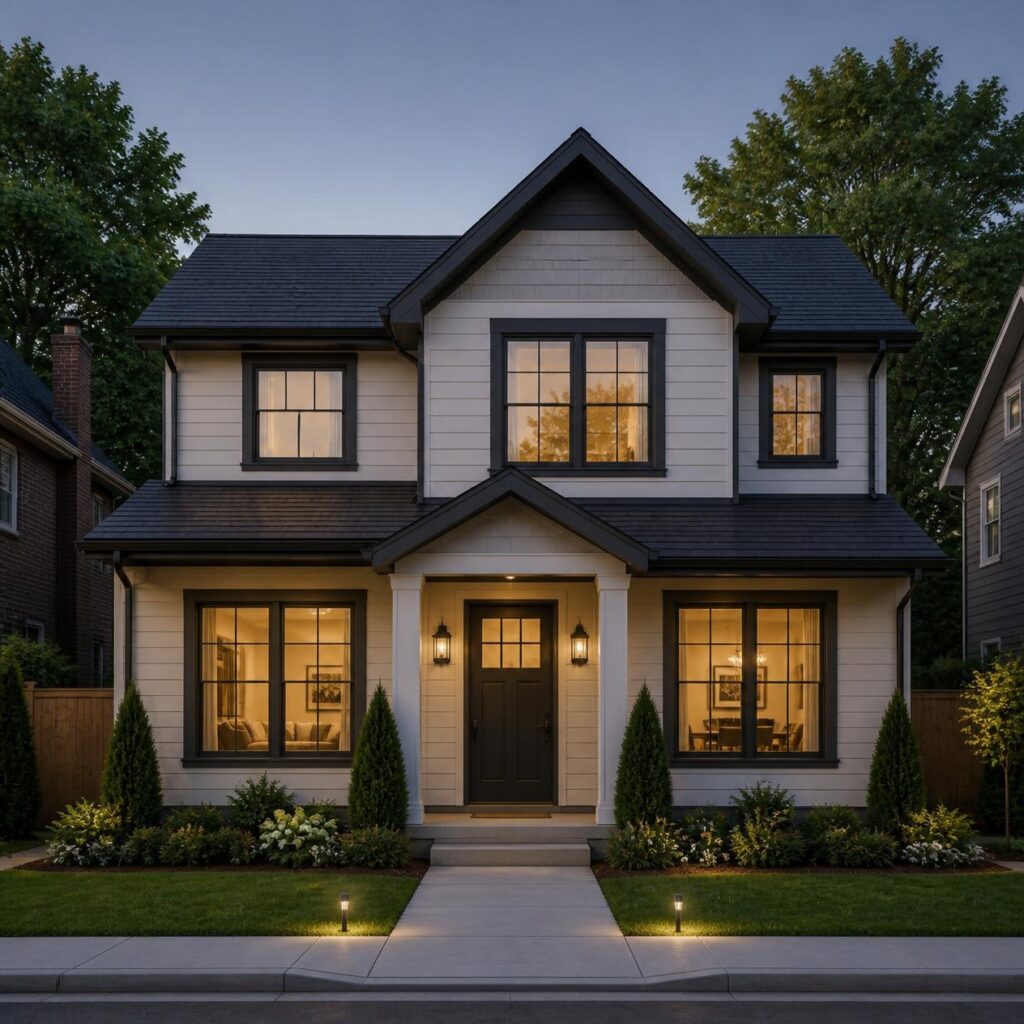
For an exterior, consider how the roof, siding, trim, entry door, windows, stone, brick, and landscaping interact. Rather than choosing every colour independently, think of the exterior as one composition.
The same principle applies indoors.
Neutral walls can provide flexibility, while carefully chosen accents can create personality. Dark window or door frames can add definition to a lighter interior, while natural wood tones can introduce warmth.
The key is consistency.
A successful update doesn’t require every surface to match. Instead, the colours should work together intentionally.
And if you’re already replacing windows or doors, it’s worth considering colour as part of the overall design rather than treating it as an afterthought.
6. Upgrade Hardware and Finishing Details
Small details can have an outsized effect on how finished a home feels.
Door handles, locks, cabinet hardware, lighting fixtures, faucets, trim, and other visible details are easy to overlook because they don’t occupy much physical space.
But they’re also the elements people interact with constantly.
If a home has modern cabinetry paired with outdated hardware, or a beautifully updated entrance paired with an old-looking handle, the contrast can make the renovation feel incomplete.
Hardware should complement the style of the surrounding space.
For example, streamlined hardware can reinforce a contemporary aesthetic, while more traditional finishes may suit classic architecture.
The same applies to entry doors and patio doors. Hardware is not simply a functional component. It contributes to the overall appearance and feel of the door.
This is one of the advantages of detail-oriented improvements: they don’t necessarily require a major renovation, but they can make an existing space feel considerably more intentional.
7. Improve Your Home’s Energy Performance
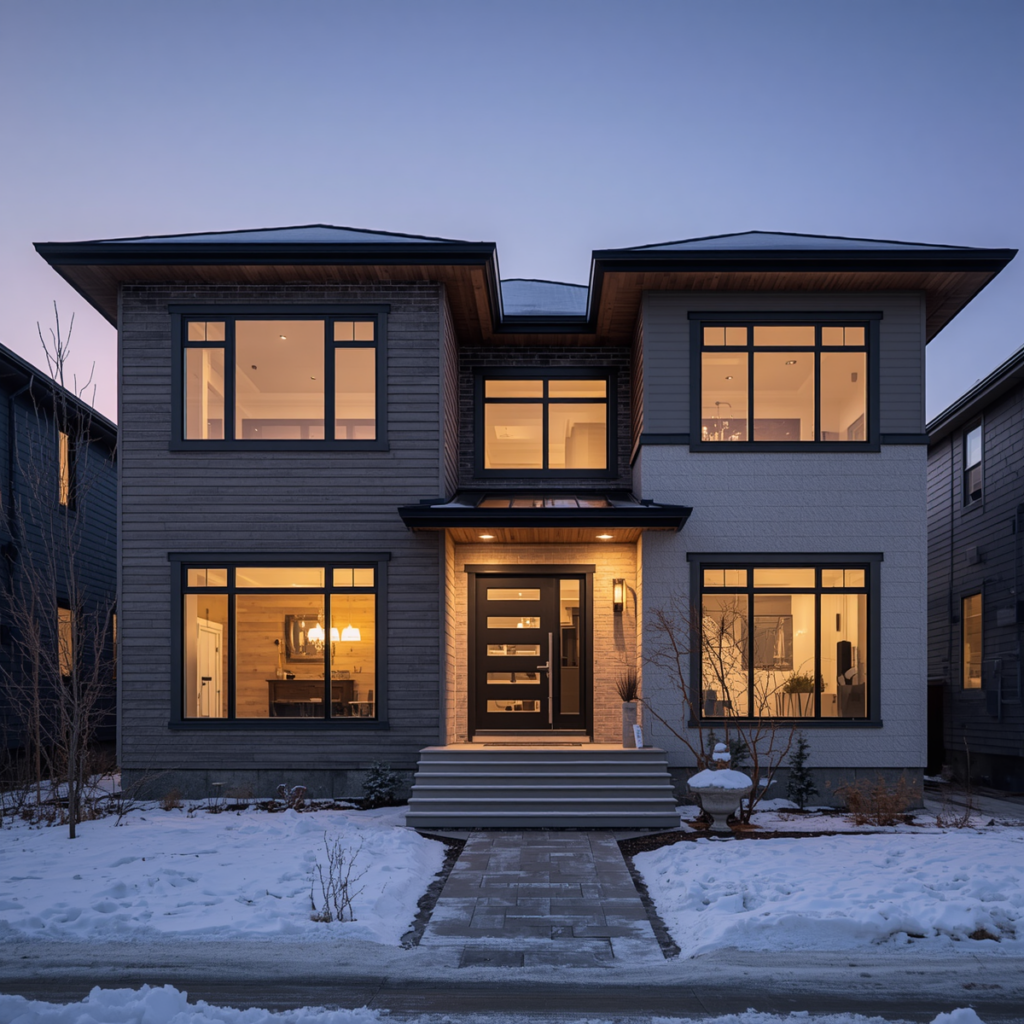
A home can look beautiful and still feel uncomfortable.
If certain rooms are consistently colder, hotter, draftier, or less comfortable than others, it may be worth looking beyond cosmetic improvements.
Energy performance is influenced by the home as a whole. Natural Resources Canada notes that the building envelope, ventilation, heating and cooling systems, external environment, and occupant activities all interact. Improving one component doesn’t automatically solve every performance problem.
That means homeowners should think about upgrades as part of a larger system.
Air sealing and insulation can be important. Heating and cooling equipment may need attention. Windows and doors can also play an important role because they are part of the building envelope.
When replacing windows, don’t focus solely on the number of panes or the appearance of the product. Look at measurable performance characteristics and choose products appropriate for your climate.
For windows, U-factor is one important measure of heat transfer, while solar heat gain coefficient helps describe how much solar radiation passes through the glazing.
Most importantly, don’t assume that the most expensive product is automatically the most appropriate one. The right choice depends on the home’s location, orientation, existing construction, priorities, and budget.
A comfortable home is one of the most meaningful improvements you can make.
8. Refresh the Exterior Around Your Windows and Doors
Sometimes the windows and doors themselves aren’t the only things making an exterior look dated.
The surrounding details matter too.
Trim, siding, stonework, exterior lighting, pathways, landscaping, house numbers, railings, and entry features all contribute to the appearance of the home.
Imagine replacing a beautiful new front door but leaving an overgrown walkway, worn trim, and outdated exterior lighting around it. The door may look great, but the overall entrance can still feel unfinished.
Instead, think in terms of zones.
For the front entrance, consider the door, surrounding trim, lighting, walkway, landscaping, and visible hardware together.
Around a patio door, consider the deck, patio furniture, landscaping, exterior lighting, and transition between indoor and outdoor spaces.
You don’t necessarily need to replace everything. Sometimes cleaning, repainting, repairing, or reorganizing the surrounding elements is enough to make a new feature stand out.
This is particularly useful when you’re working with a limited renovation budget.
Put the investment where it will have the greatest visual and functional impact, then use smaller improvements to support it.
9. Create a Better Indoor-Outdoor Connection
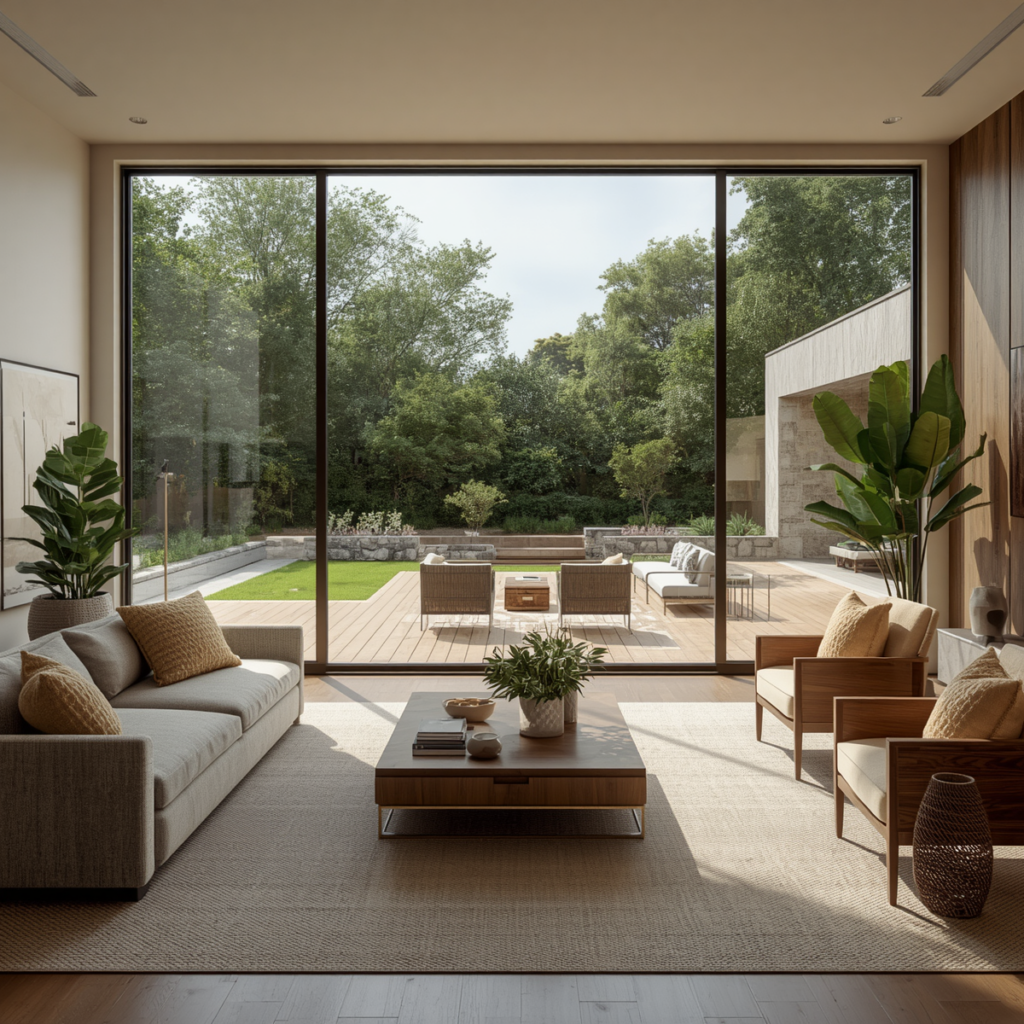
Modern homes increasingly treat outdoor areas as extensions of the living space.
Whether you have a large backyard, a compact deck, a balcony, or a simple patio, the transition between indoors and outdoors can influence how much you actually use the space.
Windows and patio doors are central to that connection.
A well-positioned window can frame a garden, trees, or another attractive outdoor feature. A larger glazed opening can visually connect a living room with a patio or deck.
But creating this connection isn’t only about making openings larger.
Think about sightlines.
What do you see when you’re sitting on the sofa?
What does the dining area look toward?
Is the outdoor area visually inviting?
Does the furniture arrangement work with the door?
Does the exterior space feel like a natural continuation of the interior?
Even simple changes can help. Coordinating colours between indoor and outdoor areas, improving exterior lighting, adding comfortable seating, or creating a clear walkway can make the transition feel more intentional.
The result is a home that can feel larger without actually adding square footage.
10. Focus on the Details That Make the Home Feel Finished
The final improvement may be the least obvious: bringing everything together.
A home can have beautiful individual features and still feel unfinished if those features don’t relate to one another.
Look for visual inconsistencies.
Are some windows dramatically different from others without a design reason?
Do your interior and exterior colours compete?
Does the entry door feel disconnected from the home’s architecture?
Are the hardware finishes consistent?
Does the lighting support the areas you’ve recently upgraded?
Are furniture and window treatments working with the new openings?
These details may seem minor, but together they determine whether a renovation feels cohesive.
This is where planning becomes especially valuable.
Instead of approaching every improvement as a separate project, think about how each decision contributes to the larger character of the home.
You don’t need every room to look identical. In fact, variety can make a home more interesting.
What you want is a sense of relationship between the spaces.
The result is often what makes a home feel genuinely refreshed rather than simply renovated.
You Don’t Have to Renovate Everything
One of the biggest misconceptions about home improvement is that meaningful change requires a massive renovation.
It doesn’t.
A new entry door can transform a front elevation. New windows can change the character of several rooms at once. A patio door can improve both natural light and the connection to the outdoors. A coordinated colour palette can make older finishes feel more intentional.
And improvements don’t have to happen all at once.
Start with the areas that affect your daily experience the most.
If a room is uncomfortable, address performance.
If the entrance feels dated, start with the entry.
If a living space feels dark, explore ways to improve natural light.
If the home feels visually disconnected, look at colour, materials, and finishing details.
The most successful home improvements aren’t necessarily the biggest ones. They’re the ones that solve a real problem while making the home feel more like the place you want to live.
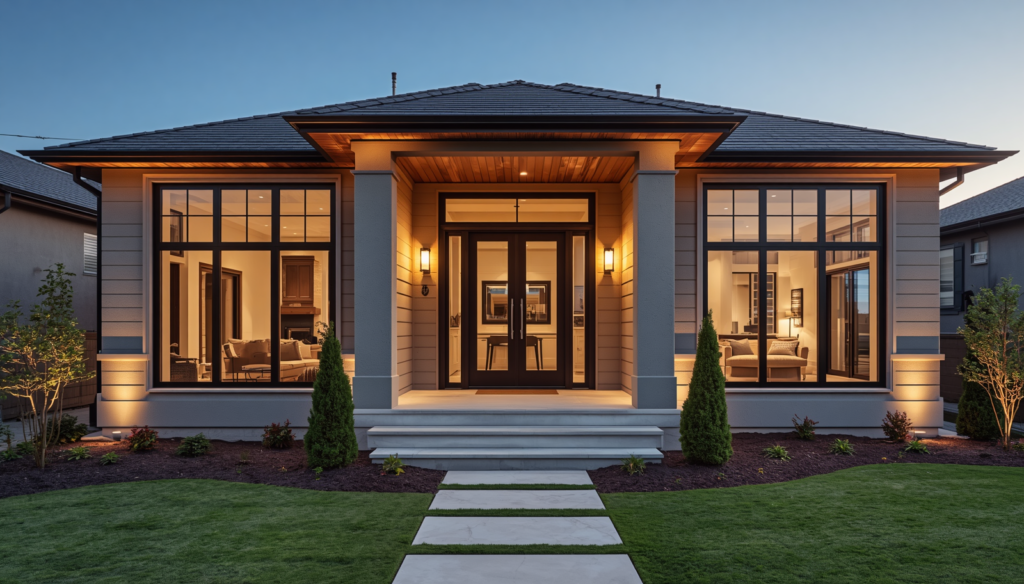
Make Your Home Feel New Again
A home doesn’t need to be completely transformed to feel completely different.
Sometimes, a handful of thoughtful improvements can change the way you experience the entire space. Better windows can bring in light and improve comfort. A new entry door can redefine the first impression. A modern patio door can strengthen the connection between indoors and outdoors.
The key is to look beyond individual products and think about how every improvement contributes to the larger picture.
When appearance, performance, functionality, and design work together, even familiar spaces can take on a completely new character.
And sometimes, that’s all a home really needs – a few well-chosen changes in the right places.
Ready to Refresh Your Home?
If you’re considering new windows, an updated entry door, or a better connection to your outdoor space, explore the options available for your home and discover what a thoughtful upgrade can change.