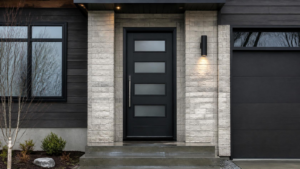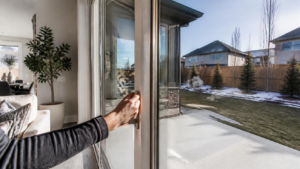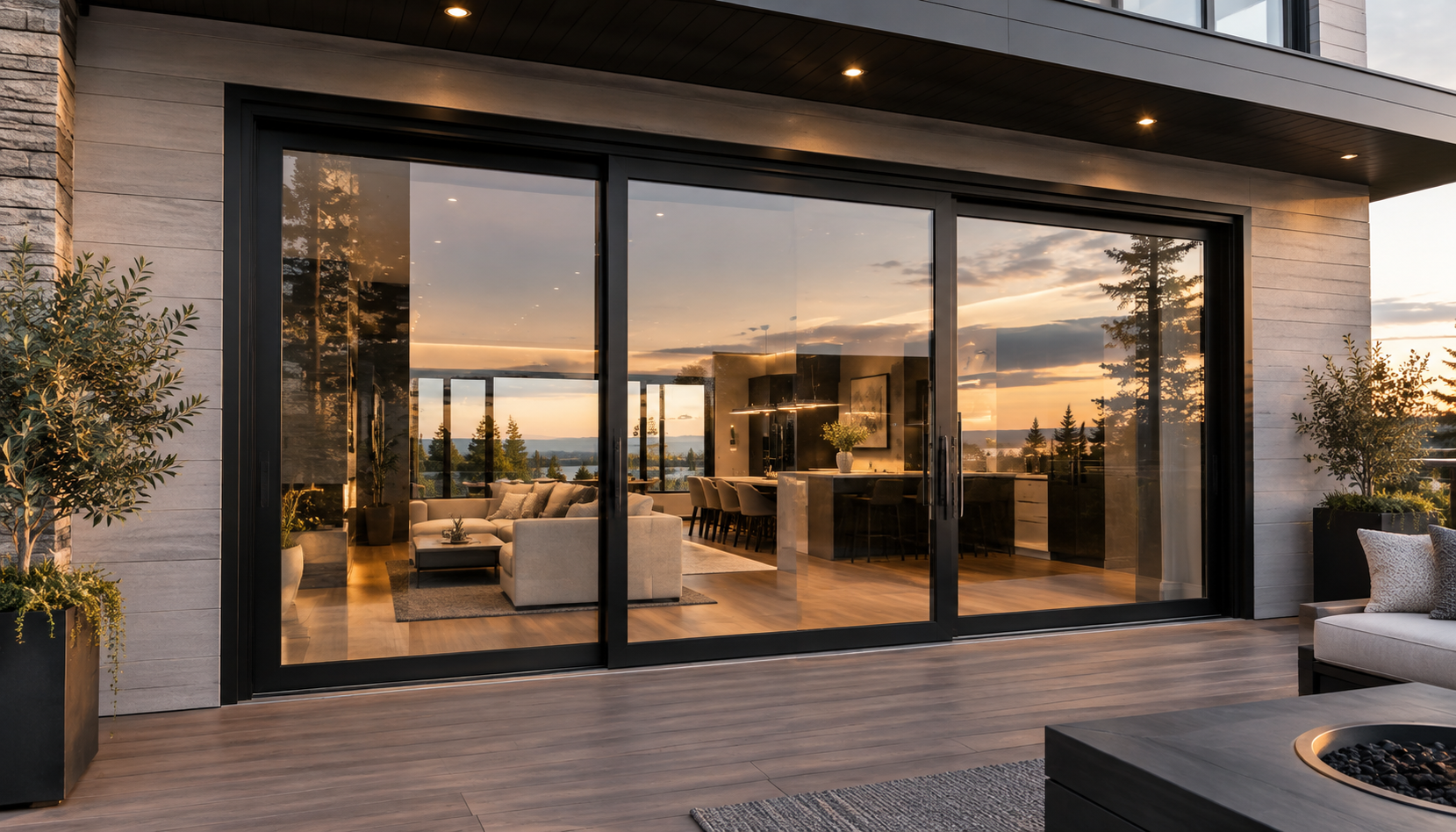

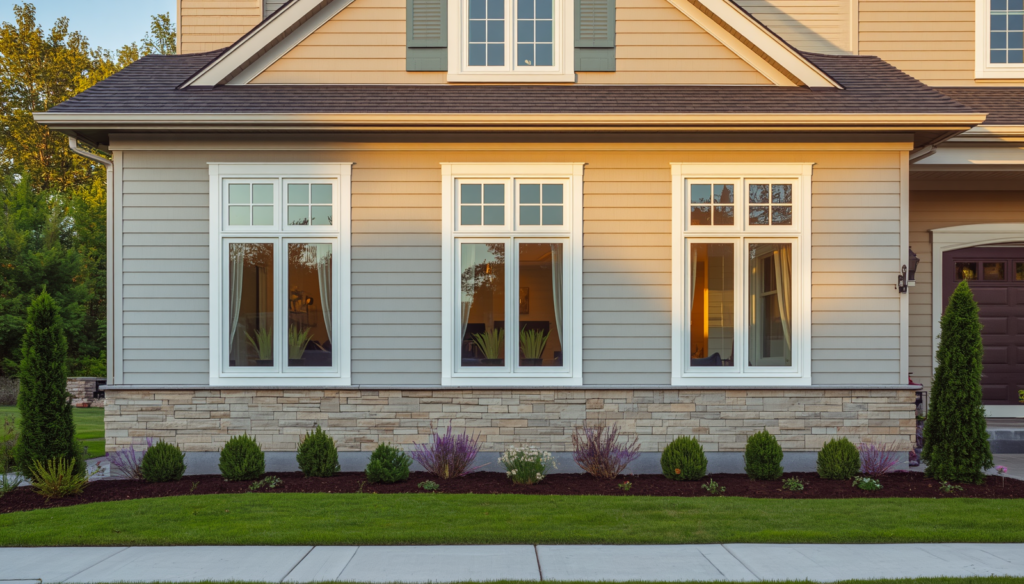
Windows do more than bring natural light into a home. They influence the way a room feels, shape the character of an exterior, and can even affect how modern or dated a property appears.
Sometimes, a home doesn’t need a major renovation to look more refined. The difference can come down to details that are easy to overlook – window style, proportions, grille patterns, frame colours, and how everything works together.
If your home feels a little dated despite other updates, your windows could be part of the reason.
Here are seven common window mistakes that can make a home look older than it really is, and what to consider instead.
Why Windows Have Such a Big Impact on Your Home’s Appearance
Windows are often one of the largest visual elements on both the inside and outside of a home. Because of that, even small design choices can have a noticeable effect on the overall appearance.
Think about a freshly renovated home with new flooring, updated lighting, modern furniture, and a beautifully finished exterior. If the windows still have an outdated style, mismatched proportions, or worn-looking frames, they can stand out against everything else.
The opposite is also true. Well-designed windows can make a space feel brighter, more balanced, and more contemporary without requiring a complete renovation.
This is why window replacement isn’t only about improving energy efficiency or fixing an aging product. It can also be an important part of updating the visual character of a home.
It’s Not Always About Having the Biggest Windows
Larger windows are often associated with modern homes, but bigger isn’t automatically better.
The right size depends on the architecture of the home, the room’s layout, the amount of natural light available, and how the window relates to surrounding features.
A carefully proportioned window can look more elegant than an oversized window that feels disconnected from the rest of the exterior.
The goal should be to create balance. Windows should complement the home’s structure rather than overpower it.
1. Choosing Windows That Don’t Suit the Architecture
Every home has its own architectural character. A traditional exterior, a contemporary build, and a craftsman-style home may all benefit from completely different window designs.
One of the most common mistakes is choosing a window simply because it looks attractive on its own without considering how it will look on the house as a whole.
A sleek, minimalist window may look beautiful in a contemporary home but feel out of place on a more traditional exterior. Likewise, heavily detailed windows can compete with the clean lines of a modern design.
What to consider instead
Look at the overall character of your home before choosing a style. Consider:
- The architectural style of the house
- Existing exterior materials
- Rooflines and other architectural features
- Door style and colour
- The proportions of the exterior
- Whether you want a traditional, transitional, or contemporary appearance
The best window choice should feel like it belongs there—not like it was added afterward.
2. Getting the Proportions Wrong
Good design often comes down to proportion.
Windows that are too small, too large, too narrow, or poorly positioned can make an otherwise attractive exterior feel unbalanced. Even a high-quality window can look awkward when its proportions don’t work with the surrounding architecture.
This is especially noticeable when replacing older windows with a completely different configuration without considering the original visual balance.
For example, changing a wide window opening into several smaller sections can dramatically alter the appearance of a room and the exterior. The opposite can also be true.
What to consider instead
Think about how each window relates to the wall, the floor below it, neighbouring windows, and other features such as doors.
Consistent proportions can create a much cleaner and more intentional appearance.
Sometimes, the most attractive result isn’t about choosing the biggest window possible. It’s about finding the configuration that feels right for the space.
Look at the Windows as a Group
One window may look perfectly fine on its own, but the overall arrangement can tell a very different story.
When looking at your exterior, pay attention to how windows line up with one another. Similar heights, consistent spacing, and intentional placement can create a much cleaner appearance.
This becomes particularly important when replacing only some of the windows. A new window should not only fit its opening, it should also make sense alongside the windows that remain.
Taking a few minutes to look at the entire elevation of the home can reveal design inconsistencies that aren’t obvious when viewing one window at a time.
3. Using Outdated Grille Patterns
Window grilles or grids can add character and visual detail, but they can also quickly make a home feel dated when the pattern doesn’t suit the design.
Heavy or overly complicated grille patterns can make a window appear busy, particularly on homes with otherwise clean architectural lines.
On the other hand, removing grids entirely isn’t always the answer. Traditional homes may benefit from grille patterns that complement their architectural style.
What to consider instead
Choose a grille configuration that supports the home’s design rather than dominating it.
Depending on the style of your home, options may include:
- Clean, simple grille patterns
- Traditional divided-light appearances
- Grilles between glass
- Interior or exterior grille configurations
- Custom patterns for distinctive architectural designs
The goal is balance. Grilles should enhance the window – not become the first thing you notice.
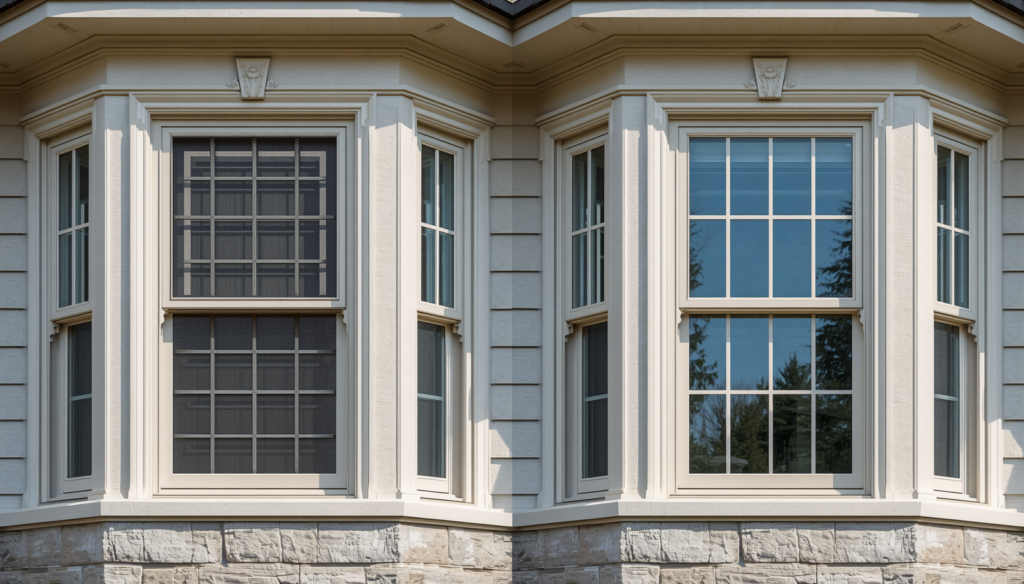
4. Choosing the Wrong Window Style
Different window styles create very different visual impressions.
Casement, awning, single slider, single hung, picture, bay, bow, and custom-shaped windows each have their own proportions and personality. Choosing the wrong style can affect both the appearance and functionality of a room.
For example, replacing a large picture window with several smaller operating windows may reduce the clean, open feeling that made the original space appealing.
Similarly, choosing a horizontal slider where a taller vertical window would better suit the room can change the visual proportions of the entire wall.
What to consider instead
Think beyond how a window operates. Ask how its shape and movement will interact with the room.
Consider:
- How much natural light you want
- Whether ventilation is important
- The view outside
- Furniture placement
- The height and width of the opening
- The visual style you’re trying to achieve
A well-chosen window style should solve a practical need while complementing the architecture.
5. Mixing Too Many Window Styles
Variety can add interest, but too much variety can make a home look inconsistent.
Using different window styles throughout a house isn’t necessarily a problem. In fact, different rooms often require different solutions.
The issue comes when the exterior begins to look unplanned.
A collection of unrelated window shapes, grille patterns, frame colours, and configurations can make the home feel visually disconnected.
What to consider instead
Create a sense of consistency.
You don’t necessarily need identical windows everywhere. Instead, establish a few design elements that repeat throughout the home.
For example, you might use:
- A consistent frame colour
- Similar grille patterns
- Complementary proportions
- A consistent design language
- Different operating styles where functionality requires them
This creates visual cohesion while still allowing individual rooms to have the windows they need.
6. Overlooking Frame Colour and Finishes
The frame is part of the window’s visual identity, and its colour can have a surprisingly large effect on the appearance of a home.
A frame colour that clashes with the siding, brick, trim, or doors can make an otherwise beautiful exterior feel less cohesive.
On the other hand, a thoughtfully selected colour can emphasize architectural lines and give the exterior a more polished appearance.
What to consider instead
Look at your home’s exterior as a complete palette.
Consider how the window frames relate to:
- Exterior siding
- Brick or stone
- Door colours
- Trim
- Roofing
- Other exterior finishes
For a contemporary look, clean and understated combinations can work particularly well. More traditional homes may benefit from colours and finishes that complement existing architectural details.
The right choice doesn’t have to be dramatic. Sometimes subtle coordination creates the most sophisticated result.
7. Replacing Windows Without Considering the Overall Design
One of the biggest mistakes homeowners can make is treating window replacement as a series of individual decisions.
A window might look great by itself, but if it doesn’t work with the rest of the house, the finished result may still feel underwhelming.
Replacing windows is an opportunity to rethink how natural light, views, ventilation, and architectural style work together.
That doesn’t mean every window needs to be redesigned. It means looking at the bigger picture before making decisions.
What to consider instead
Before replacing your windows, step back and consider the home as a whole.
Ask yourself:
Do the current window styles still suit the home?
Are the proportions balanced?
Do the grille patterns complement the architecture?
Are the frame colours working with the exterior?
Could a different configuration improve natural light or the view?
Do the windows create a consistent look from room to room?
These questions can help you move beyond simply replacing old windows and toward creating a home that feels more intentional.
Your Windows Should Work With Your Home – Not Against It
A home can have beautiful siding, a freshly painted exterior, and updated landscaping and still feel dated if its windows don’t complement the overall design.
The good news is that improving the look doesn’t necessarily mean choosing the most expensive or elaborate option.
Often, the difference comes from thoughtful choices: better proportions, cleaner grille patterns, complementary colours, appropriate window styles, and a design that feels consistent throughout the home.
The right windows should feel natural within the architecture. They should bring in light, frame the view, provide the functionality you need, and contribute to the character of the home.

Thinking About Replacing Your Windows?
If your windows are showing their age or simply no longer fit the look you’re trying to achieve, replacement can be an opportunity to refresh both the appearance and performance of your home.
At NORC Windows & Doors, we offer a range of window styles and configurations designed to complement different homes, spaces, and design preferences.
Whether you’re looking for a clean contemporary appearance, a more traditional character, or something completely custom, the right window can make a bigger difference than you might expect.
Because sometimes, the detail that changes the entire look of a home is the one you see every day but rarely think about.