
Have you ever driven past a home and thought, “That house just looks expensive”?
Maybe there was nothing particularly extravagant about it. The landscaping was simple. The exterior materials weren’t unusual. There wasn’t a massive addition or an elaborate entrance.
Yet somehow, the entire home looked polished, balanced and beautifully designed.
One of the reasons may be hiding in plain sight: the windows.
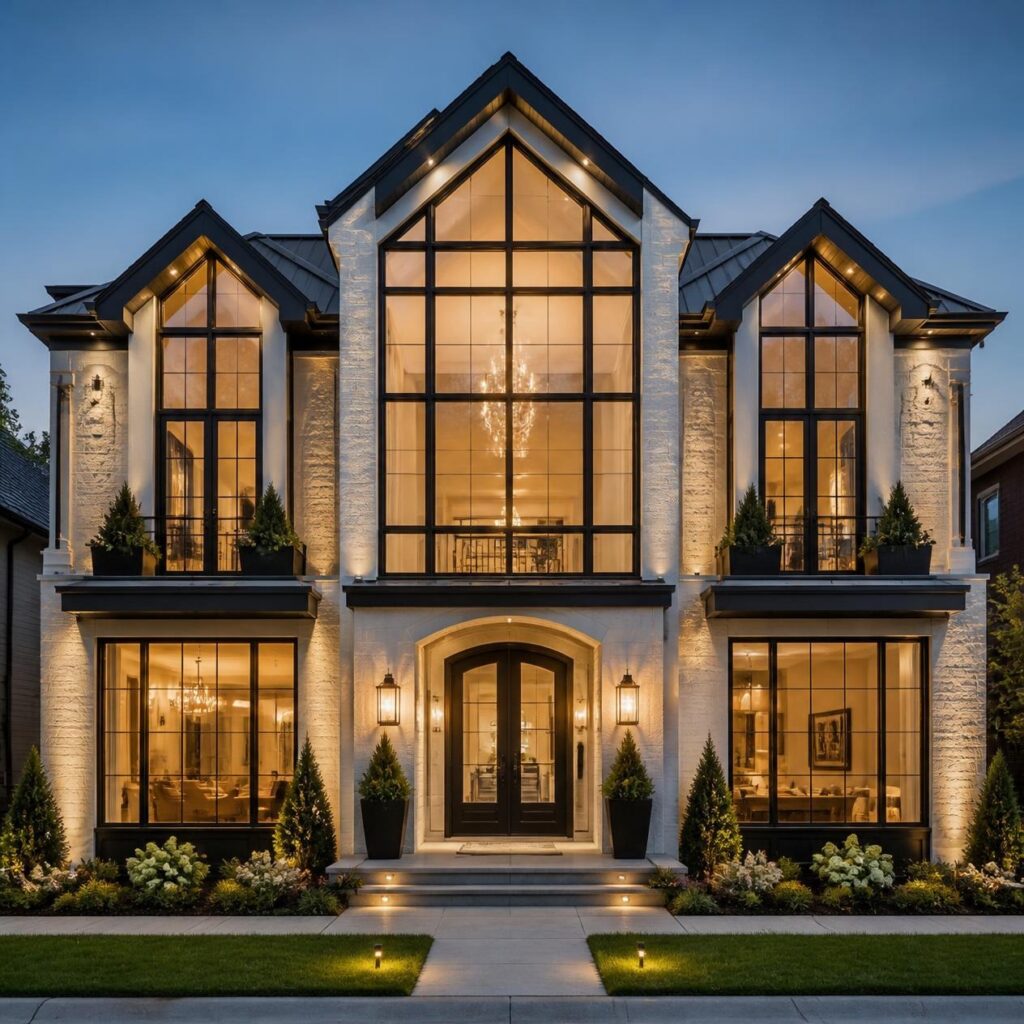
Windows do much more than bring natural light into a home. They influence the proportions of a facade, shape the way rooms feel, affect curb appeal and help define the architectural character of a property. When their size, placement, colour and style work together, they can make an ordinary exterior feel remarkably refined.
The good news is that creating that look isn’t necessarily about spending more. Often, it’s about making better design choices.
Here are some of the ways thoughtfully designed windows can give a home a more sophisticated, high-end appearance.
1. Proportion Makes a Bigger Difference Than You Think
One of the first things that separates a polished exterior from a visually awkward one is proportion.
Windows that are too small for a large wall can make the facade feel empty. Windows that are too large for a compact elevation can overwhelm the architecture. The most appealing homes generally have windows that feel appropriately scaled to the walls, rooflines and overall structure.
This doesn’t mean every window needs to be the same size.
In fact, varying window sizes can create beautiful architectural interest. The key is that the different sizes should feel intentional rather than random.
For example, a large picture window may become the focal point of a living room, while narrower windows balance bedrooms or secondary spaces.
Good design isn’t about making every window identical. It’s about making every window feel like it belongs.
2. Window Placement Creates Visual Balance
You may not consciously notice window alignment when looking at a home, but your eye naturally responds to it.
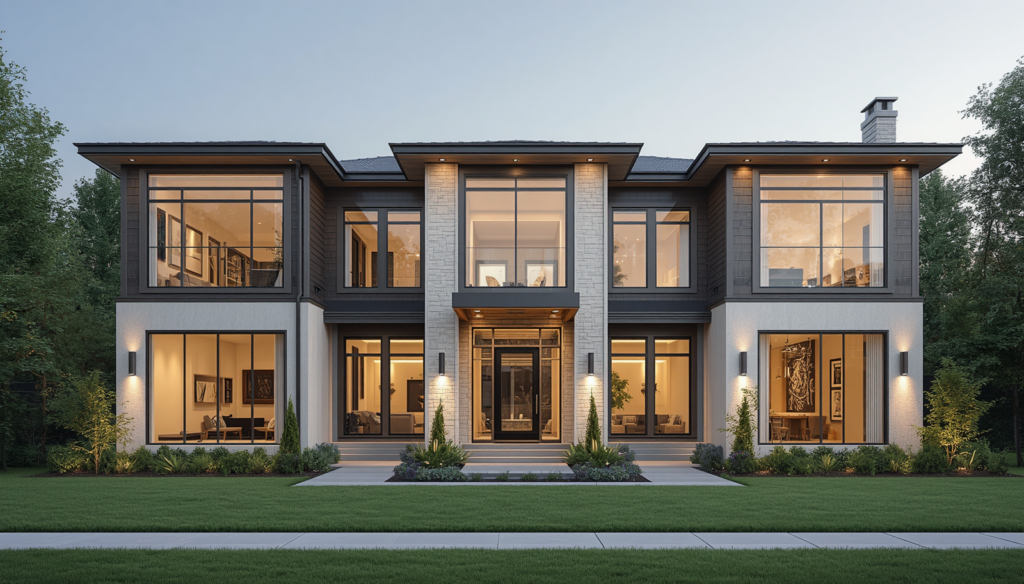
Windows that line up with one another can create a sense of order and symmetry. When window heads, sills or vertical edges relate to each other across a facade, the exterior often feels cleaner and more carefully designed.
This is especially noticeable on multi-storey homes.
A row of windows that feels coordinated from one floor to the next can make the entire facade appear more substantial and refined.
On the other hand, windows placed without consideration for the surrounding architecture can make a home feel disjointed—even if the windows themselves are attractive.
When planning a renovation, don’t look at each window as an isolated opening.
Look at the entire elevation.
3. Larger Glass Areas Can Create a Modern, High-End Feel
There’s a reason contemporary architecture often features generous expanses of glass.
Larger windows can make a home feel brighter, more open and more connected to its surroundings. They can also create strong architectural focal points from the outside.
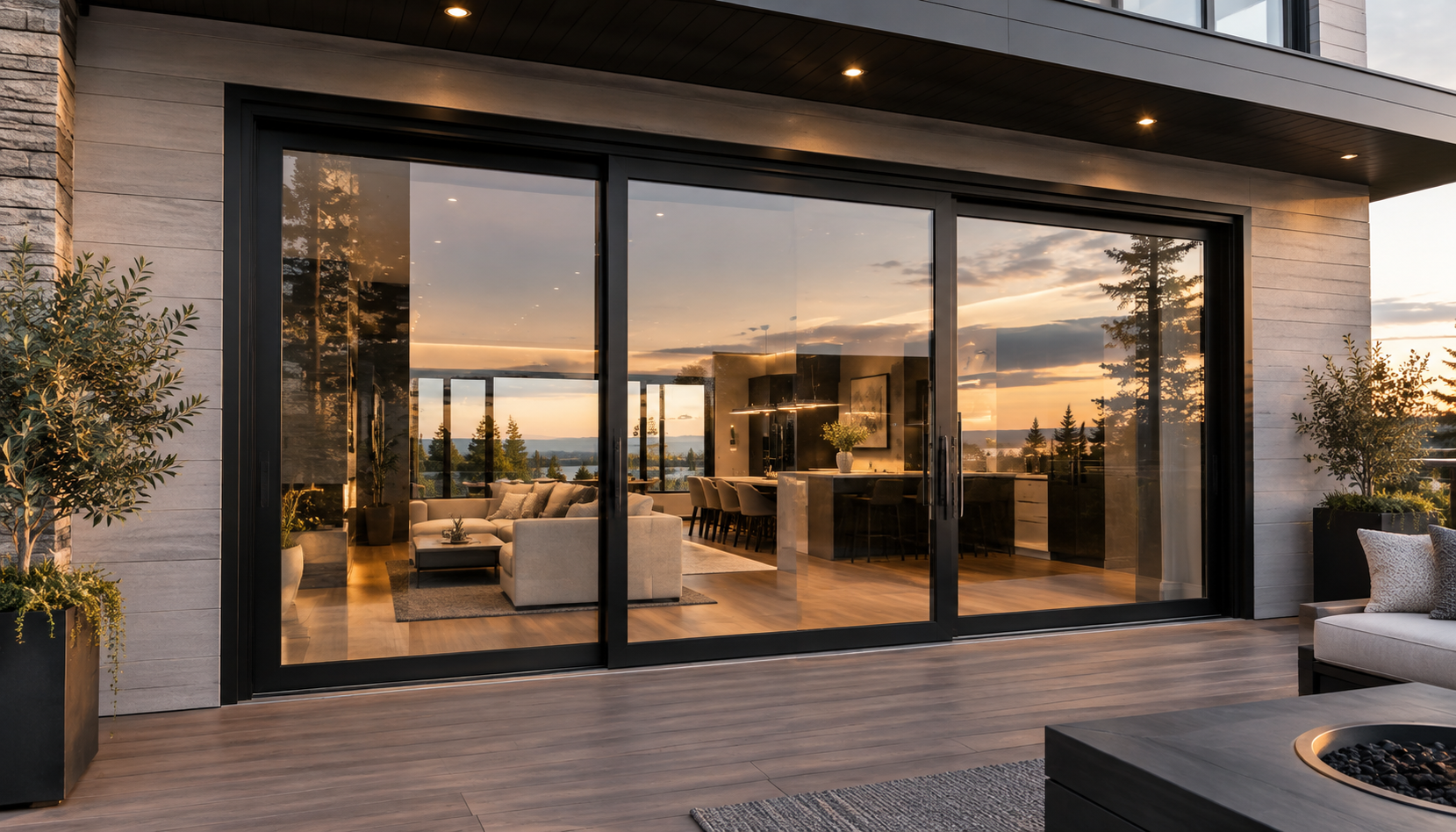
A large fixed or picture window overlooking a backyard, for example, can become a defining feature of the home rather than simply another source of daylight.
Inside, it can bring in more natural light and frame an outdoor view.
Outside, it can give the facade a clean, contemporary character.
That doesn’t mean bigger is always better. Window size should still be appropriate for the room, wall structure, privacy needs and architectural style.
The goal is purposeful glass, not simply more glass.
4. The Right Window Style Can Change the Character of a Home
Different window styles communicate different design personalities.
Casement windows can create a clean, contemporary appearance with their simple vertical proportions. Awning windows can add visual interest while working particularly well in modern and transitional designs. Picture windows offer uninterrupted views and a strong architectural presence.
Hung and sliding windows can provide a more traditional or familiar appearance, depending on the home’s design.
None of these styles is automatically more luxurious than another.
What matters is how well the style complements the architecture.
A beautiful window can still look out of place if its proportions and operating style conflict with the character of the home.
Think of windows as part of the home’s architectural language. The right style doesn’t compete with the house – it completes it.
5. Frame Color Has a Huge Visual Impact
Window frames are one of the most noticeable details on an exterior.
A change in frame colour can completely alter the personality of a home.
Black frames
Black windows can create strong contrast and a distinctly modern appearance. They work particularly well with contemporary architecture, light-coloured siding, brick, stone and minimalist exteriors.
They can also emphasize the geometry of a building by creating crisp visual outlines around the glass.
White frames
White remains timeless for a reason.
It works beautifully with traditional, transitional and classic home styles and can create a lighter, softer appearance.
White frames can also blend naturally with lighter exterior finishes rather than drawing strong attention to the windows.
Other finishes
Depending on the product and architectural style, other neutral or darker finishes can create a more customized appearance.
The important thing is to consider the entire exterior palette.
Think about siding, brick, stone, roofing, trim and doors, not just the windows.
A coordinated colour scheme often looks more sophisticated than a collection of individually chosen finishes.
6. Consistency Is One of the Secrets to a Polished Exterior
Here’s something designers understand well:
Consistency creates sophistication.
That doesn’t mean every window needs to look exactly the same.
Instead, there should be a visual relationship between them.
For example, a home might combine:
- Large picture windows in living areas
- Casement windows in bedrooms
- Awning windows in specific locations
- Smaller specialty windows for architectural details
That combination can look fantastic when the frame colors, proportions and overall design language remain consistent.
Problems arise when every room gets a completely unrelated window style, colour or proportion.
The result can feel more like a collection of individual decisions than one cohesive home.
A sophisticated exterior usually feels curated rather than crowded.
7. Windows Can Make the Interior Look More Expensive Too
The impact of windows doesn’t stop at the front door.
Inside the home, well-designed windows can dramatically influence the atmosphere of a room.
Natural light can make spaces feel brighter and more open. A carefully positioned picture window can turn a beautiful outdoor view into part of the interior design.
Large windows can also create stronger connections between living spaces and patios, gardens or surrounding landscapes.
Think about a dining room with a carefully positioned view of the backyard.
Or a living room where a large window frames the trees outside.
The window becomes more than a functional feature.
It becomes part of the room’s design.
8. The View Outside Becomes Part of the Design
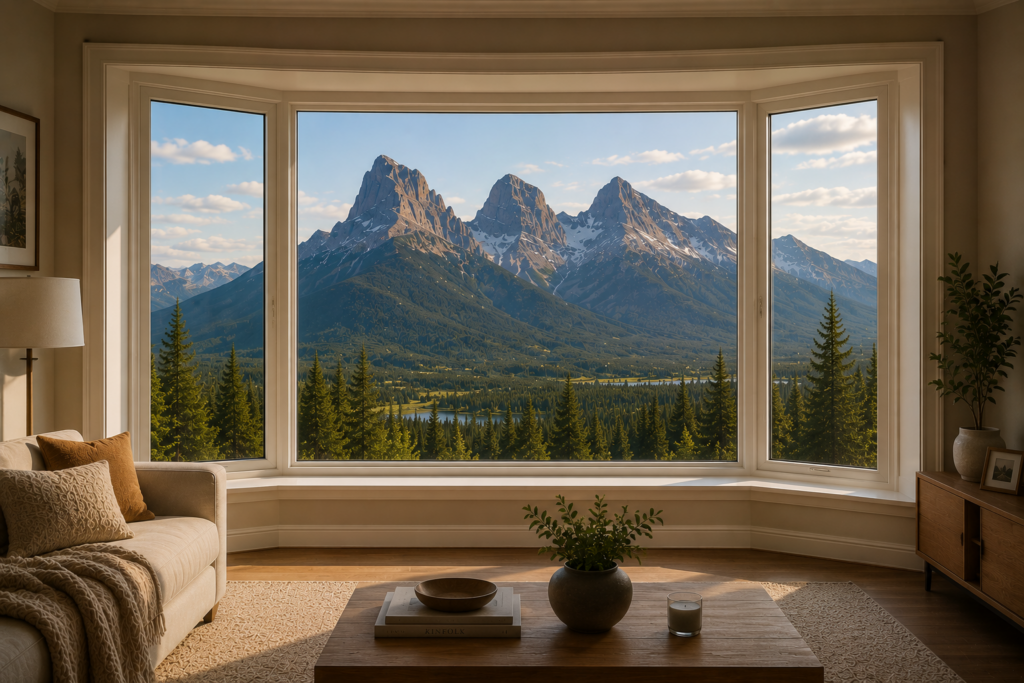
A well-designed window doesn’t simply let you see outside – it frames what you see.
This is particularly important when a home has attractive landscaping, mature trees, mountain views or a well-designed backyard.
The right window can act almost like a piece of artwork.
A large fixed window might frame a garden. A strategically placed casement window might capture a particular view. A series of windows can create a broader visual connection with the outdoors.
When planning window placement, consider not only where the light comes from, but also what the window will frame.
Sometimes the best design decision is the one that turns an everyday view into a focal point.
9. Clean Lines Make a Home Feel More Refined
Luxury architecture often relies on restraint.
That doesn’t necessarily mean minimalism. It means avoiding unnecessary visual noise.
Windows with clean proportions, consistent spacing and simple frame lines can contribute to that feeling.
This is one reason contemporary homes often use larger glass areas and streamlined window configurations.
But the same principle works for traditional homes too.
A classic home doesn’t need ultra-modern windows to look sophisticated. It simply needs windows whose proportions, details and placement complement its architectural character.
Refinement often comes from what you leave out.
10. The Front of the Home Deserves Extra Attention
If you’re upgrading windows, don’t treat every elevation as equally important.
The front of the house is usually where design decisions have the greatest impact on curb appeal.
Consider how the windows interact with:
- The front door
- Garage door
- Roofline
- Stone or brick
- Exterior lighting
- Landscaping
- Architectural trim
The goal is to create a visual hierarchy.
Perhaps the entrance should be the main focal point, with the windows supporting it. Or perhaps a dramatic upper-level window configuration becomes the home’s defining feature.
Either way, the pieces should work together.
This is where coordinated window and door design can make a particularly strong difference.
11. Don’t Forget the Relationship Between Windows and Doors
Windows shouldn’t be designed in isolation from the home’s doors.
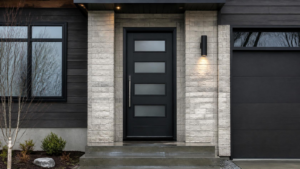
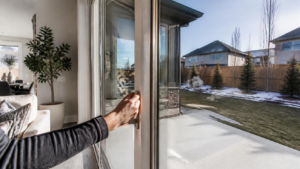
The front door is often one of the strongest architectural features on the exterior, while patio doors can create an important transition between indoor and outdoor spaces.
When their colours, proportions and design details complement one another, the home can feel much more cohesive.
For example, dark window frames paired with a complementary dark entry door can create a strong modern aesthetic.
Similarly, lighter window frames combined with a classic door can reinforce a more traditional character.
The objective isn’t necessarily to make everything match perfectly.
It’s to create harmony.

12. Good Design Doesn’t Have to Mean More Windows
It’s tempting to think that the secret to a high-end-looking home is simply adding more or larger windows.
It isn’t.
A well-designed home can look beautiful with a relatively modest number of windows if they are positioned and proportioned thoughtfully.
Sometimes replacing several smaller, awkwardly placed windows with a more intentional configuration can create a much stronger visual result.
Other times, simply changing the style or frame colour can dramatically alter the home’s appearance.
Before adding more glass, ask:
Would a better arrangement achieve more than a larger quantity?
Often, the answer is yes.
13. Think About the Architectural Style of Your Home
A window can be beautiful on its own and still be wrong for the house.
That’s why architectural style matters.
Contemporary homes
Clean lines, larger glass areas, darker frames and simple configurations often complement contemporary architecture.
Traditional homes
Balanced proportions, classic frame colours and familiar operating styles can reinforce traditional character.
Transitional homes
Transitional design offers more flexibility, combining classic proportions with cleaner modern details.
Craftsman and character homes
Windows with strong proportions and carefully considered divisions can complement the architectural details that define these homes.
There are no absolute rules.
The best design is the one that feels natural for the property.
14. Energy Efficiency Is Part of Good Design
A beautiful home should also be comfortable.
Today’s windows can combine attractive design with features that help improve energy performance, including insulated glazing, Low-E coatings, gas fills and well-designed frames.
Energy performance can be evaluated using ratings such as U-factor, Energy Rating (ER), solar heat gain coefficient (SHGC) and air leakage.
These technical details may not be visible from the street, but they matter to how the home performs every day.
That is an important part of good design.
A window should look good, but it should also work well.
15. The Most Expensive-Looking Homes Usually Feel Intentional
Here’s the bigger lesson.
A home doesn’t necessarily look expensive because every component is expensive.
It looks expensive because the details appear to have been considered.
The windows align.
The proportions make sense.
The frame colour complements the exterior.
The glass highlights the right views.
The window styles work with the architecture.
The doors feel connected to the overall design.
Nothing feels accidental.
That sense of intention is what creates visual sophistication.
How to Get the Look Without a Major Renovation
If you’re looking at your own home and thinking it could use a design refresh, you don’t necessarily need to change everything.
Start by looking at the windows you already have.
Ask yourself:
- Are the window sizes proportional to the exterior?
- Do they align visually across floors?
- Do the styles complement one another?
- Does the frame colour work with the siding, brick and doors?
- Are there areas where a larger window could create a stronger focal point?
- Are some windows outdated compared with the rest of the home?
- Could better window placement improve natural light or views?
Sometimes a relatively focused window upgrade can have a surprisingly large visual effect.
And when replacement is already being considered because of age, performance or comfort, design becomes an opportunity to improve the appearance of the home at the same time.
Final Thoughts: It’s All in the Details
So, why do some homes look more expensive than others?
Sometimes it’s the architecture.
Sometimes it’s the landscaping.
Sometimes it’s the materials.
But very often, it’s the details working together.
And windows are one of those details that can quietly influence almost everything – from curb appeal and architectural character to natural light and the way a room feels.
The goal isn’t to make your home look like someone else’s.
It’s to make the design feel balanced, intentional and unmistakably yours.
At NORC Windows & Doors, we believe beautiful design should go hand in hand with performance, comfort and lasting value. Whether you’re updating a single room or rethinking the look of your home, the right window choices can make a bigger difference than you might expect.
Sometimes, the detail that changes the whole home is the one you look through every day.