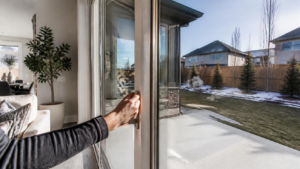

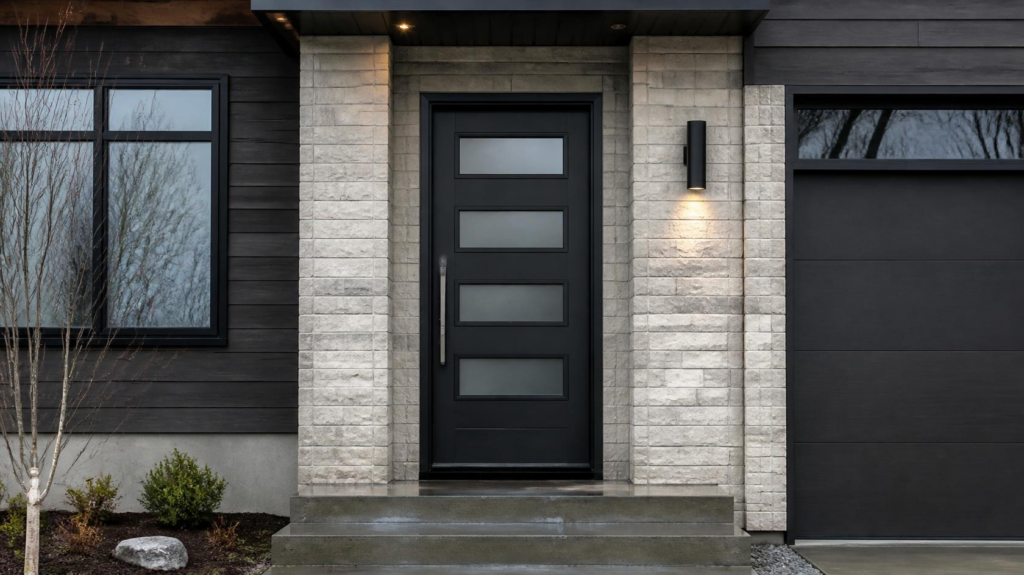
Replacing a door can improve comfort, security, appearance, and energy efficiency, but the quality of the installation matters just as much as the door itself. Even a high-quality entry or patio door can develop problems when it is measured, positioned, sealed, or adjusted incorrectly.
Some installation mistakes are obvious right away. Others may not become noticeable for months or even years, when drafts, water infiltration, sticking, difficult operation, or premature wear begin to appear.
In this guide, we’ll look at the most common door installation mistakes homeowners should be aware of, why they matter, and how proper installation can help prevent costly problems later.
Why Proper Door Installation Matters
A door needs to do more than simply fill an opening in the wall. It must operate smoothly, close securely, keep outside air and moisture where they belong, and remain stable as the home experiences seasonal temperature changes.
This is especially important in a climate with significant temperature fluctuations. Materials can expand and contract, homes can experience movement, and weather conditions can put additional demands on the door system and surrounding components.
A professional installation brings together several details that work as one system:
- Accurate measurements
- A properly prepared opening
- Correct positioning
- Proper shimming and support
- Effective air and water sealing
- Correct flashing and drainage practices
- Proper hardware adjustment
- Careful finishing and inspection
When one of these steps is overlooked, a problem that seems minor during installation can become much more noticeable later.
Mistake #1: Taking Incorrect Measurements
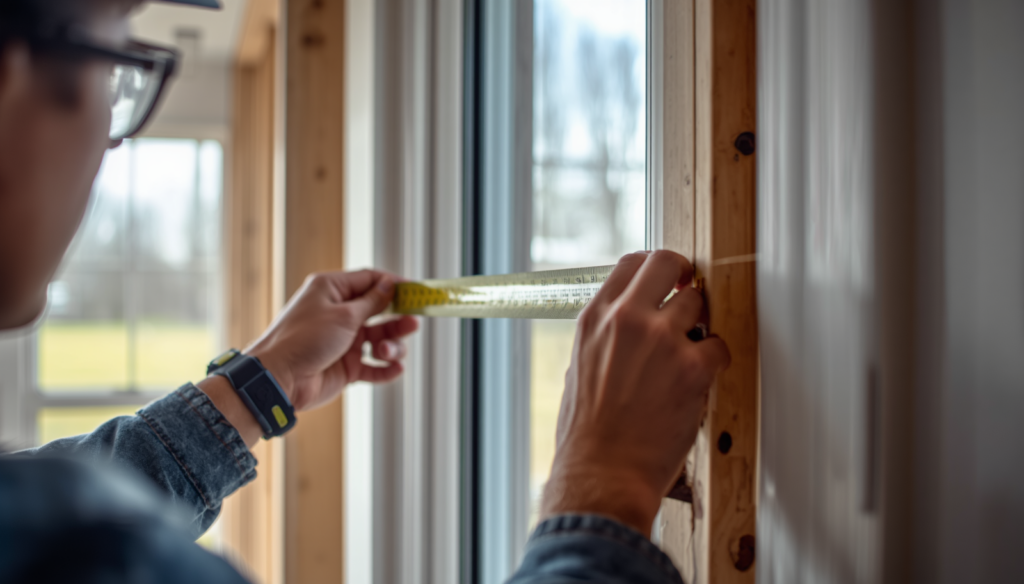
One of the most important parts of any door installation happens before the new door is even ordered: measuring the opening correctly.
A door that does not properly correspond to the existing opening can create installation challenges from the beginning. If the measurements are inaccurate, installers may have difficulty achieving the correct fit, or additional modifications may be required.
Measurements should account for more than simply the width and height of the existing door.
The condition and dimensions of the rough opening, frame, sill, surrounding structure, and available installation space can all affect the final fit.
Why it causes problems later
Incorrect measurements can contribute to:
- Uneven gaps around the frame
- Difficulty opening or closing the door
- Excessive adjustment requirements
- Poor weather sealing
- Unwanted air leakage
- Complications during finishing
With patio doors, accurate measurements are particularly important because large sliding panels need proper alignment to operate smoothly.
The takeaway: Accurate measurement is the foundation of a successful installation. Getting it wrong at the beginning can create problems that are difficult to correct afterward.
Mistake #2: Failing to Properly Prepare the Opening
A new door should not simply be placed into an opening without evaluating what is already there.
Before installation, the opening should be inspected for conditions that could affect the new door. The existing frame or surrounding materials may have deterioration, moisture damage, uneven surfaces, or other issues that need to be addressed first.
Installing over an unsuitable opening can hide a problem rather than solve it.
Why this matters
If the surrounding structure is not properly prepared, the new door may not sit correctly or maintain a consistent seal.
For example, an uneven or compromised sill can affect how the entire door is positioned. With a patio door, even a relatively small alignment issue can eventually affect how the sliding panel moves.
Proper preparation gives the new door a stable foundation and helps the installation perform as intended.
Mistake #3: Installing the Door Out of Level or Plumb
A door needs to be properly positioned in three dimensions.
That means checking that the frame is:
- Level from side to side
- Plumb vertically
- Square so the corners and opposing sides are properly aligned
This might sound technical, but the effects are easy for a homeowner to notice.
An improperly positioned door may rub against the frame, leave inconsistent gaps, or become increasingly difficult to operate.
Entry doors
With an entry door, poor alignment can affect the way the door closes and how the latch engages with the strike.
Over time, homeowners may find themselves lifting, pushing, or pulling the door to get it properly closed.
Patio doors
With a sliding patio door, alignment is equally important. A panel that is not positioned correctly can create unnecessary resistance, making the door harder to slide.
It can also affect the contact between the door and weatherstripping.
A door should not need excessive force to operate. If it does, installation and alignment should be among the first things to investigate.
Mistake #4: Using Improper Shimming
Shims may be small, but they play an important role in achieving proper door alignment.
They are used to help position and support the frame while maintaining the correct geometry of the installation.
Improper shimming can create pressure points or allow portions of the frame to move out of position.
What can happen?
Incorrectly supported framing can contribute to:
- Uneven gaps
- Frame movement
- Difficult operation
- Hardware alignment problems
- Increased stress on components
- Poor long-term performance
The goal isn’t simply to make the door fit inside the opening. The frame needs to remain properly supported and aligned after the installation is complete.
This is one reason professional installation involves more than simply securing the frame and moving on.
Mistake #5: Poor Sealing Around the Door
A properly installed door should create a controlled barrier between the interior and exterior of the home.
One of the most common installation mistakes is failing to properly address the areas around the frame.
Small gaps may not seem significant at first, but air can find its way through surprisingly small openings.
Signs of inadequate sealing can include:
- Noticeable drafts
- Cold areas around the frame
- Increased outside noise
- Moisture intrusion
- Higher heating or cooling demands
- Visible deterioration around the opening
Weatherstripping on the door itself is only part of the system. The connection between the door assembly and the surrounding wall also needs to be properly addressed.
A good installation considers both air sealing and water management, rather than treating the door as an isolated component.
Mistake #6: Ignoring Proper Flashing and Water Management
Water management is especially important around exterior doors.
Rain and melting snow can find weak points around an improperly protected opening. If water gets behind the exterior finishes, the damage may not be visible immediately.
Over time, moisture can contribute to deterioration of surrounding materials.
This is why installation should account for how water moves around the opening and how it is directed away from vulnerable areas.
Why homeowners may not notice the problem immediately
Water infiltration does not always result in an obvious leak inside the home.
Moisture can enter behind surrounding materials before eventually producing visible signs such as:
- Staining
- Swelling
- Deterioration
- Peeling finishes
- Musty odours
- Damage around the sill or frame
Proper installation practices help manage water before it becomes a larger problem.
For exterior doors, keeping water out is only half the job the installation also needs to give water a reliable path away from the opening.
Mistake #7: Rushing Hardware and Door Adjustments
Once a door is physically installed, the job isn’t necessarily finished.
Hardware and operating components may need to be checked and adjusted so the door works correctly.
For an entry door, this can include checking the latch, hinges, handle, deadbolt, and strike alignment.
For a patio door, the installation may involve checking the panel movement, rollers, lock, handle, and alignment.
Why this step matters
A door that technically fits but does not operate smoothly is not a properly finished installation.
For example, a patio door that requires excessive force to slide may eventually place additional stress on rollers and other components.
Likewise, an entry door that requires repeated pushing or pulling to latch properly can become frustrating to use and may indicate an alignment issue.
Taking the time to properly adjust the door at installation helps ensure the homeowner starts with smooth, reliable operation.
Mistake #8: Rushing the Finishing Work
The installation process doesn’t end when the door is secured.
The areas around the new door need to be properly finished so the installation looks clean and the transition between the door and surrounding materials is appropriately addressed.
Rushing this stage can leave gaps, uneven finishes, exposed materials, or areas that are more vulnerable to moisture and air infiltration.
A professional-looking installation should be both functional and finished.
After all, a beautiful new door deserves more than a rushed installation around it.
What Happens When Installation Problems Are Ignored?
Some installation problems are easy to notice immediately. Others develop gradually.
A door may work reasonably well when it is first installed but become increasingly difficult to operate as time passes.
For example, an improperly aligned patio door might initially slide with only a little resistance. Continued use can make the issue more noticeable, particularly if components experience unnecessary wear.
Similarly, a small gap around an entry door may eventually become noticeable as a draft or contribute to moisture-related problems.
Common signs that an installation may need attention include:
1. The door sticks or rubs
If an entry door suddenly requires more force to open or close, alignment could be an issue.
2. A patio door is difficult to slide
Resistance can have several causes, including rollers, tracks, alignment, or installation-related issues.
3. There are noticeable drafts
Air movement around the frame can indicate a sealing problem.
4. The door does not close evenly
Uneven gaps around the door may point toward alignment or frame issues.
5. Locks or latches don’t line up properly
A lock should engage smoothly without requiring excessive force.
6. Moisture appears around the opening
Water staining or deterioration deserves attention, particularly around exterior doors.
The important point is that these symptoms shouldn’t simply be dismissed as normal aging—especially when they appear soon after installation.
Professional Installation Helps Prevent These Problems
Choosing a quality door is an important investment, but installation is what allows that door to perform properly within the home.
Professional installation brings attention to the details that can be easy to overlook, from measuring and preparing the opening to positioning, sealing, hardware adjustment, and final inspection.
It also gives homeowners an opportunity to identify potential problems with the opening before they become hidden behind the finished installation.

How to Get the Most From Your New Door
Once your new door has been installed, a few simple habits can help protect its performance.
Keep tracks and moving components clean
For sliding patio doors, regularly remove dirt and debris from the track and keep the operating area clean.
Pay attention to changes in operation
If the door suddenly becomes difficult to open, close, lock, or slide, don’t ignore it.
Check the seals
Look around the perimeter of the door for visible gaps, damaged weatherstripping, or signs of deterioration.
Address moisture early
If you notice water staining or moisture around the door, investigate the cause rather than allowing the problem to continue.
Follow the manufacturer’s care recommendations
Different door systems have different maintenance requirements. Following the recommended care practices can help preserve their performance.
Final Thoughts
A door installation can look simple from the outside: remove the old door, put in the new one, secure it, and you’re finished.
In reality, proper installation involves much more.
Accurate measurements, a properly prepared opening, precise alignment, appropriate support, effective sealing, water management, hardware adjustment, and careful finishing all contribute to long-term performance.
When these details are overlooked, homeowners may eventually deal with drafts, leaks, sticking, difficult operation, premature wear, or repairs that could have been avoided.
That is why installation deserves the same attention as choosing the door itself.
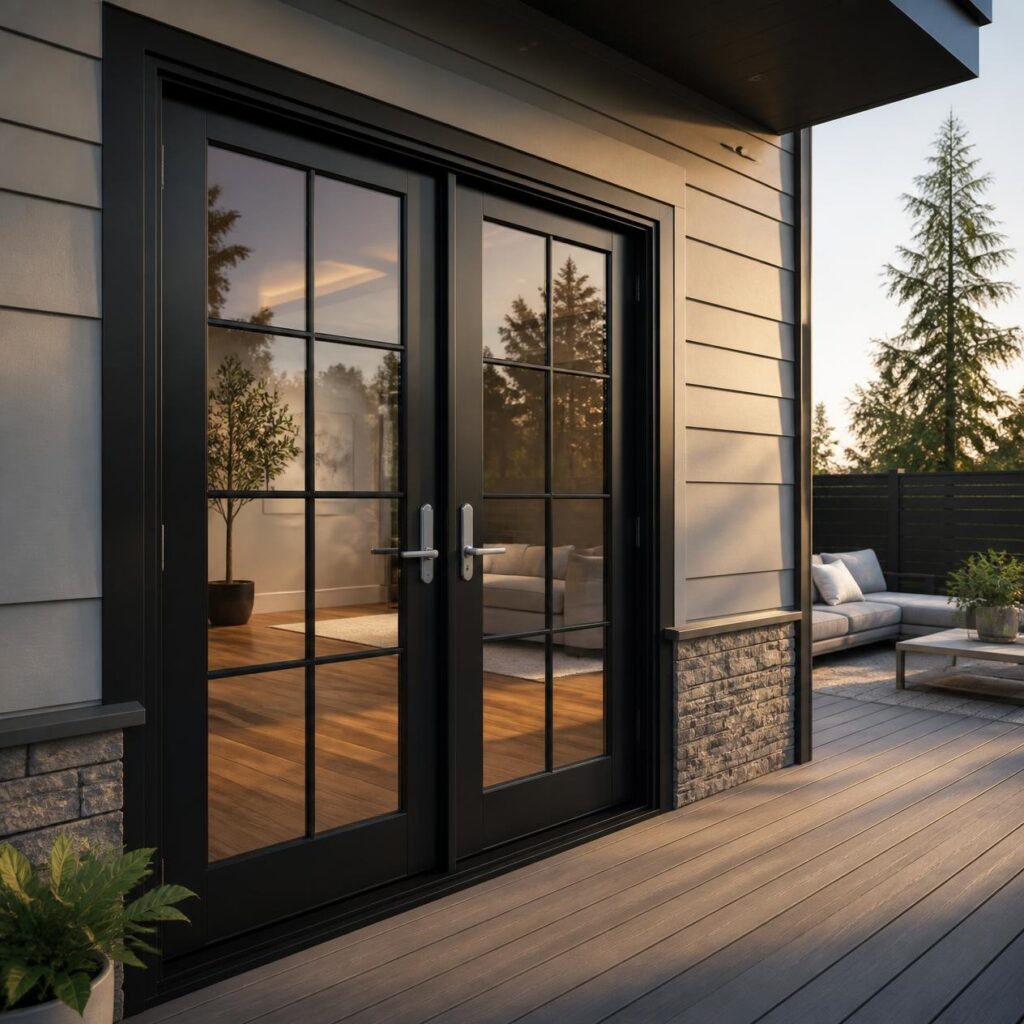
Whether you’re upgrading an entry door or replacing a patio door, the right installation can help you get the comfort, appearance, security, and performance you’re expecting from your investment.
Ready to upgrade your home’s doors?
Contact NORC Windows & Doors to get started on your next door project.