
An energy-efficient home is about more than simply turning down the thermostat or replacing a few light bulbs. True energy efficiency comes from how well your home keeps heat where it belongs, controls air movement, manages sunlight, and uses energy throughout the year.
For Canadian homeowners, this becomes especially important during long, cold winters and increasingly hot summer days. Poorly performing windows and doors, air leaks, insufficient insulation, and outdated heating systems can all contribute to higher energy use and uneven indoor temperatures.
The good news is that you don’t necessarily need to renovate your entire home to make a meaningful difference.
From sealing drafts to upgrading windows and doors, several improvements can make your home more comfortable while reducing unnecessary energy consumption.
Here are 10 energy-efficient home upgrades worth considering.
1. Upgrade Old or Inefficient Windows
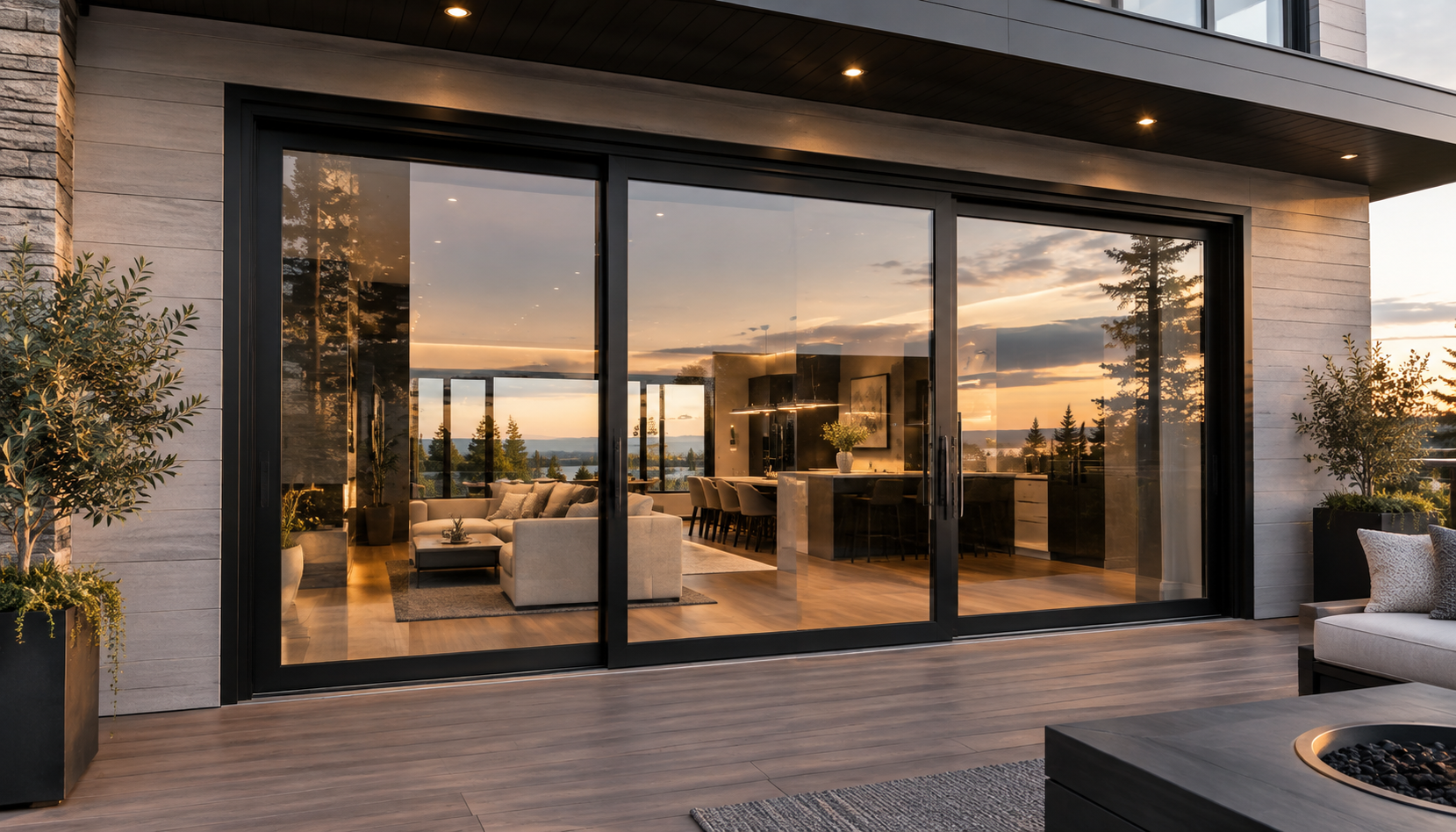
Windows have an important role in your home’s energy performance. Older or poorly performing windows can allow heat to escape during winter and unwanted heat to enter during summer.
Natural Resources Canada notes that windows, doors and skylights can account for up to 25% of a home’s energy loss. Choosing energy-efficient models can therefore have an impact not only on energy use, but also on year-round comfort.
Modern energy-efficient windows can incorporate features such as:
- Multiple panes of glass
- Low-E glass coatings
- Insulated frames
- Gas-filled spaces between glass panes
- Improved seals
- Better-performing spacers
These features help reduce heat transfer through the window.
For homeowners replacing older windows, it is also important to look beyond appearance. Energy-performance ratings can help you compare products and determine how effectively a window will perform in your climate.
In a cold climate such as Calgary, a well-designed, energy-efficient window can help reduce cold spots near the glass and make rooms feel more comfortable during winter.
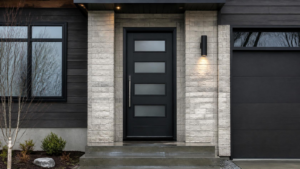
2. Improve Your Exterior Doors
Windows aren’t the only openings that affect your home’s energy efficiency. Exterior doors can also contribute to heat loss, particularly when they are old, poorly sealed, damaged, or improperly fitted.
A door may look solid, but small gaps around the frame can allow conditioned air to escape and outdoor air to enter.
Signs that your exterior door may be affecting your home’s efficiency include:
- Noticeable drafts around the frame
- Daylight visible around the door
- Cold areas near the doorway
- Damaged or worn weatherstripping
- Difficulty getting the door to close tightly
- Noticeable temperature differences near the entrance
Modern energy-efficient exterior doors are designed with better insulation and sealing systems to reduce unwanted heat transfer and air leakage.
When evaluating a door, consider the door itself as well as the frame, weatherstripping, threshold and installation. A high-performance product cannot perform as intended if significant air leakage remains around it.
3. Seal Drafts and Air Leaks
Before spending money on major upgrades, look for places where conditioned air may be escaping.
Air leakage can occur around windows and doors, but it can also happen around vents, plumbing penetrations, electrical fixtures, baseboards, attic areas and other openings in the building envelope.
Natural Resources Canada describes comprehensive air leakage control as an important part of an energy-efficiency strategy. Common approaches include weatherstripping, caulking, gaskets and other appropriate sealing methods.
Some drafts are easy to identify.
On a windy day, check for:
- Moving curtains or blinds
- Cold air around window frames
- Air movement around exterior doors
- Daylight beneath doors
- Rattling windows
- Noticeable temperature differences near openings
Small leaks may seem insignificant individually, but multiple air leaks throughout a home can add up.
4. Improve Attic and Wall Insulation
Insulation helps slow the movement of heat through your home’s building envelope.
During winter, good insulation helps keep heated indoor air from escaping through the roof, walls and other parts of the structure. During summer, it can also help keep unwanted outdoor heat from entering.
If your home has older or insufficient insulation, improving it may be one of the more effective ways to improve overall energy performance.
Common areas to evaluate include:
- Attic insulation
- Exterior walls
- Basement or foundation areas
- Rim joists
- Other areas where insulation may be missing or inadequate
However, insulation works best when combined with proper air sealing. Simply adding more insulation without addressing significant air leakage may not deliver the results homeowners expect.
5. Choose Energy-Efficient Heating and Cooling Equipment
Your heating and cooling systems can account for a significant portion of household energy use.
If your furnace, boiler, heat pump or air-conditioning equipment is outdated, replacing it with a more efficient system can reduce energy consumption.
But efficiency isn’t only about the equipment itself.
Your home’s building envelope matters too.
For example, installing a highly efficient heating system while allowing substantial heat to escape through poorly sealed windows, doors or other parts of the building envelope can limit the overall benefit.
That’s why it makes sense to look at the home as a complete system rather than treating every upgrade as an isolated project.
6. Install a Smart Thermostat
A smart thermostat can help manage heating and cooling more efficiently by adjusting temperatures according to your schedule and preferences.
Instead of maintaining the same temperature all day when nobody is home, a programmable system can reduce heating or cooling during periods when it isn’t needed and return the home to a comfortable temperature when you’re there.
A smart thermostat isn’t a substitute for insulation, air sealing or efficient windows and doors, but it can complement those improvements.
The biggest benefit comes from combining sensible temperature management with a well-performing home envelope.
7. Replace Worn Weatherstripping
Weatherstripping is a relatively simple component, but it plays an important role in controlling air movement around operable windows and exterior doors.
Over time, weatherstripping can become compressed, brittle, damaged or detached.
When that happens, gaps can develop and allow outdoor air to enter.
Check the seals around:
- Exterior doors
- Operable windows
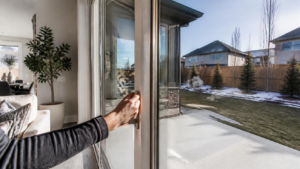
- Patio doors
- Other openings exposed to outdoor conditions
If you can feel air moving around a closed door or window, inspect the surrounding seals before assuming the entire product needs replacement.
In some cases, replacing worn weatherstripping or repairing a seal may be enough to improve comfort.
In other cases, persistent drafts may indicate that the window or door itself has reached the end of its useful life.
8. Pay Attention to Window Energy Ratings
When purchasing replacement windows, don’t choose based solely on appearance or the number of panes.
Energy-performance ratings can provide useful information about how a window handles heat transfer, solar radiation and air leakage.
Some of the terms homeowners may encounter include:
U-Factor
U-factor measures the rate of heat transfer through a window. Generally, a lower U-factor indicates better insulating performance.
Solar Heat Gain Coefficient
The Solar Heat Gain Coefficient, or SHGC, indicates how much solar radiation passes through a window. A lower SHGC generally means the window blocks more solar heat.
However, the ideal balance depends on the home’s orientation, climate and other factors. In a Canadian climate, solar heat can also be beneficial during winter.
Energy Rating
Energy Rating, or ER, combines several aspects of window performance, including heat transfer, solar heat gain and air leakage.
A higher ER generally indicates better overall energy performance.
Understanding these numbers makes it easier to compare products instead of relying solely on marketing descriptions.
9. Consider Low-E Glass and Insulated Glazing
Glass technology has a major influence on window performance.
Low-emissivity, or Low-E, coatings are designed to control heat transfer through the glass. Depending on the specific product and coating, they can help keep heat inside during colder weather while limiting unwanted solar heat gain.
Insulated glazing also improves performance by creating sealed spaces between panes of glass. These spaces may contain an insulating gas such as argon.
Triple glazing can provide additional insulation compared with conventional double glazing, although the best choice depends on the home’s design, budget, window specifications and performance goals.
The important thing is to evaluate the complete window rather than focusing on one feature in isolation.
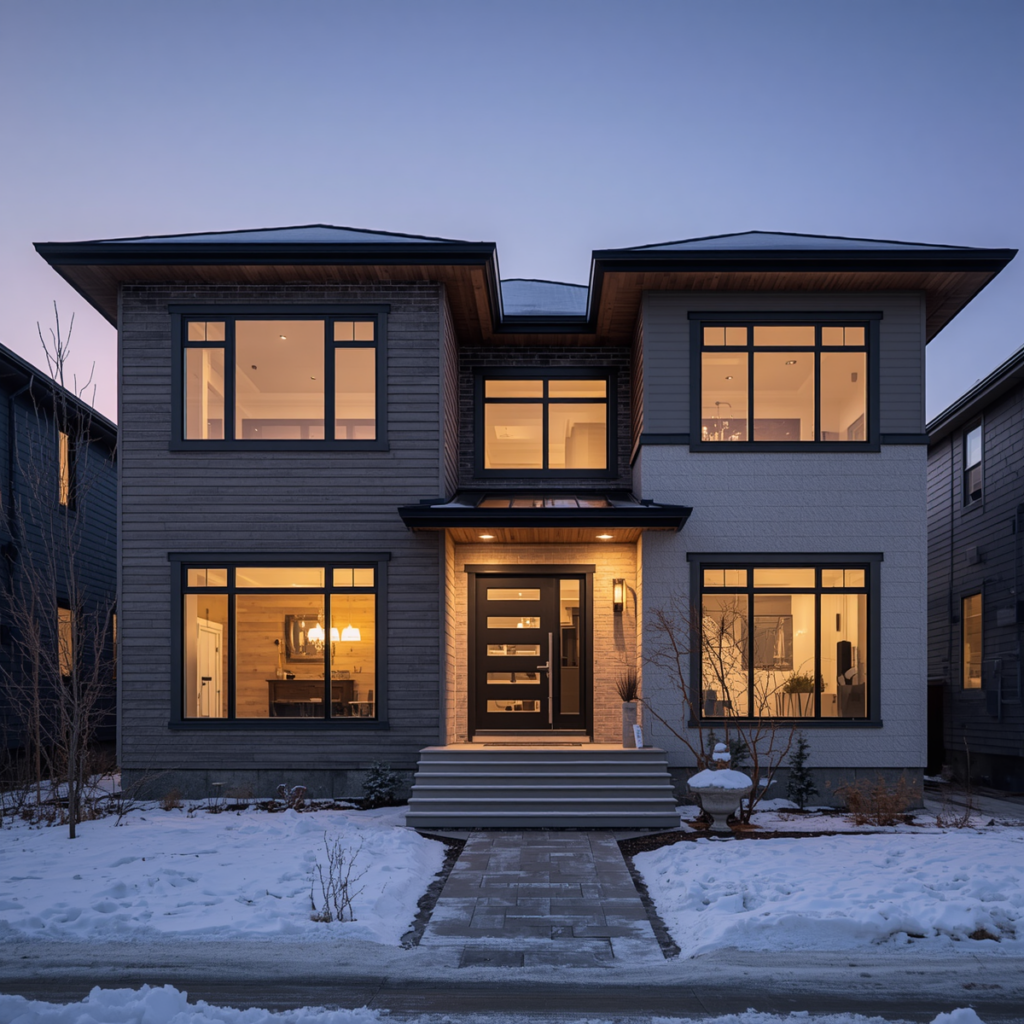
10. Think About the Whole Building Envelope
Perhaps the most important energy-efficiency upgrade is changing the way you think about your home.
Your home works as a system.
Windows, doors, walls, insulation, roofing, ventilation, heating and cooling equipment all interact with one another.
Upgrading one component while ignoring major weaknesses elsewhere may limit the overall improvement.
For example, replacing old windows can improve comfort, but significant air leakage around the frames can still create drafts.
Similarly, adding insulation can help reduce heat transfer, but uncontrolled air leakage can continue to undermine performance.
A whole-home approach allows you to identify where energy is actually being lost and prioritize improvements accordingly.
Which Energy-Efficient Upgrades Should You Do First?
There is no single upgrade that is right for every home.
The best starting point depends on the age and condition of your house, existing insulation, windows and doors, heating system, air leakage and your renovation goals.
A practical starting point is to identify the most noticeable problems.
If you have cold rooms, check for drafts and insulation issues.
If your windows feel cold even when the heating is running, evaluate their condition and energy performance.
If exterior doors are difficult to seal or you can feel air moving around them, inspect the weatherstripping and frame.
If energy bills are consistently high, consider a broader assessment of the home’s building envelope and mechanical systems.
An EnerGuide home evaluation can also provide homeowners with a more comprehensive picture of how their home is performing and where improvements may be worthwhile.
Are Energy-Efficient Windows and Doors Worth It?
For many homeowners, upgrading windows and exterior doors can provide benefits beyond energy savings.
Better-performing products can help:
- Reduce heat loss
- Reduce drafts
- Improve indoor comfort
- Reduce cold spots
- Control solar heat gain
- Improve sound reduction
- Improve the appearance of the home
- Potentially reduce energy consumption
Natural Resources Canada reports that ENERGY STAR certified windows are about 20% more energy efficient than the average window, while certified doors are about 15% more efficient than the average door.
The exact benefit of an upgrade will depend on the existing products, the replacement products, the home and how the entire system performs.
That is why comparing actual performance specifications is more useful than assuming that every replacement window or door will deliver the same result.
A More Comfortable Home Starts With Better Efficiency
Making your home more energy efficient doesn’t have to mean tackling everything at once.
Start by identifying where your home is losing energy and where comfort problems are most noticeable. Seal obvious drafts, evaluate insulation, maintain your heating and cooling systems, and pay close attention to the performance of your windows and exterior doors.
For homeowners planning a larger renovation, replacing outdated windows and doors can be an important part of a broader energy-efficiency strategy.
The goal isn’t simply to use less energy.
It’s to create a home that holds onto the energy you are already paying for – keeping it warmer when it’s cold outside, cooler when temperatures rise, and more comfortable throughout the year.
Ready to Improve Your Home’s Energy Efficiency?
If you’re considering replacing older windows or exterior doors, NORC Windows & Doors can help you explore options suited to your home’s needs.
From energy-efficient windows to exterior doors designed for comfort, performance and lasting value, the right upgrade can make a meaningful difference in how your home feels every day.
Explore our window and door options or contact NORC Windows & Doors to discuss your next home improvement project.